Subscribe to the 100% free rdnewsNOW daily newsletter!
(rdnewsNOW file photo)
PROVINCIAL RECOMMENDATION

Red Deer is ahead of the game in coordinating peace officers and RCMP

Feb 28, 2025 | 10:57 AM

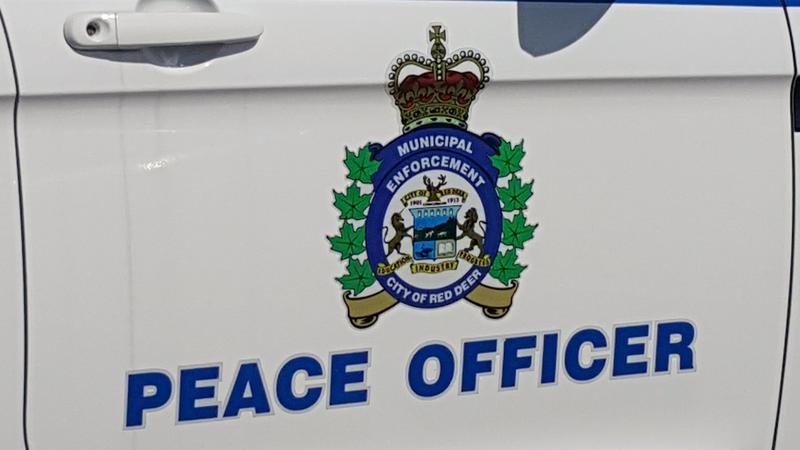
Peace officers from across 34 municipalities in Alberta are beginning to coordinate with RCMP in an effort to better crack down on fentanyl following a provincial request, and Red Deer is more than ready to respond to the call.

On Feb. 26, the province announced that municipalities are to begin bringing their community peace officer (CPO) programs under the temporary leadership of the police to address concerns around fentanyl trafficking and border security.

Read more: Alberta to have peace officers tag team with police on fentanyl crackdown

“While this initiative does not change the authority of community peace officers or RCMP officers, it ensures better coordination between municipal police services and community peace officers, allowing for improved communication, alignment of efforts and an increased law enforcement presence to help deter crime and social disorder related to the fentanyl crisis,” explained Arthur Green, Press Secretary, Ministry of Public Safety and Emergency Services.

According to the Alberta Substance Use Surveillance System: in 2022, Red Deer saw 45 drug poisoning deaths from non-pharmaceutical opioids (including fentanyl and its analogues, heroine and designer opiates) and Emergency Medical Services (EMS) responded to 200 opioid-related events. In 2023 the number of deaths rose to 52 and EMS responses to 242. For 2024, overdose data is only available up to the month of October, and the count of deaths sits at 23. EMS response data is available up to September and shows 125 responses.

John Ferguson, Red Deer’s manager of municipal police services, said the city already strategically aligns its peace officers and police and won’t need to make tangible changes to meet this request.

“In Red Deer, our structures and processes are already designed around providing the most support that we can to our police service,” he said. “We have a dispatch centre in the detachment here, so when someone calls in for service our folks in the call centre will determine: this is a call that a peace officer could go to, or, this is a call that a peace officer doesn’t have the authority to respond to, so we have to send a police officer. That triage is already being done.”

By sending peace officers to calls within their authority rather than defaulting to police, Ferguson said RCMP members, theoretically, become freed up to tackle more serious issues such as drug trafficking. He added that triaging can be more cost efficient as well, as sending a CPO is more affordable than a fully trained RCMP officer.

Ferguson was clear that the announcement did not give any new or increased authorities to CPO’s, as the province has the authority to do in appropriate situations.

For example, Red Deer already has two CPO’s assigned to an RCMP Downtown Patrol Unit who report to RCMP for their day-to-day tasks and have received additional authority from the province to aid in their work. Specifically, they have the ability to to arrest and/or charge people for Criminal Code offences such as mischief and theft under $1,000.

These additional authorities require time and resources to enact as eligible peace officers need to receive extra training.

Normally, peace officers enforce municipal bylaws and the Alberta Traffic Safety Act. CPO’s are also employed and funded by municipalities, although the province outlines their training standards, Ferguson explained.

Red Deer currently employs 22 CPO’s and is in the process of hiring four more for a dedicated Traffic Unit.

Green clarified that communities with CPO programs were strongly encouraged to participate but ultimately, it was a local decision. Communities were not mandated to participate and there are no consequences if they don’t, he said.

The participating communities are:

  • Airdrie
  • Brooks
  • Calgary
  • Camrose
  • Canmore
  • Chestermere
  • Cochrane
  • Cold Lake
  • Drayton Valley
  • Edmonton
  • Fort Saskatchewan
  • Grande Prairie
  • High River
  • Hinton
  • Innisfail
  • Lacombe
  • Leduc
  • Lethbridge
  • Lloydminster
  • Medicine Hat
  • Okotoks
  • Ponoka
  • Red Deer
  • Regional Municipality of Wood Buffalo
  • Rocky Mountain House
  • Spruce Grove
  • St. Albert
  • Stony Plain
  • Strathcona County
  • Strathmore
  • Sylvan Lake
  • Wetaskiwin
  • Whitecourt