Subscribe to the 100% free rdnewsNOW daily newsletter!
Photo 107028686 © Zimmytws | Dreamstime.com
$22 Million Over Three Years

Province aiming to ease financial strain for foster families

Jun 5, 2024 | 2:29 PM

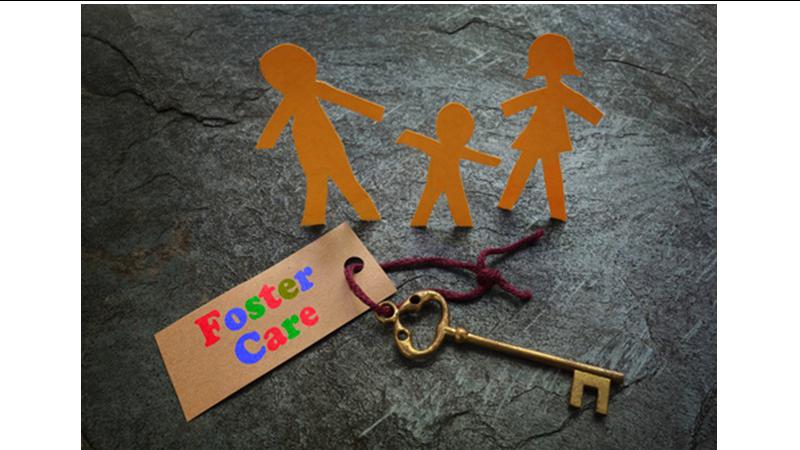
Alberta’s government is investing $22 million over three years to help foster, kinship and other caregivers look after young people in government care.

Provincial officials say foster and kinship parents are vital in helping young people in government care stay connected to their siblings, culture and community, but the rising cost of living means they face increased financial pressure in covering day-to-day necessities like food and clothing.

To make life more affordable for foster and kinship caregivers, and respond to their strong advocacy, government officials are adjusting various caregiver rates, effective June 1. This is expected to benefit almost 7,000 caregivers across the province and the 10,000 children, youth and young adults they care for and ensure they can continue to provide stable and loving homes for vulnerable children and youth who need a safe place to stay. Families who adopt or become private guardians of children in government care will also be positively impacted by these changes, the province points out.

“Foster and kinship caregivers open their hearts and homes to give young people the connection and support they need to grow and find success,” says Searle Turton, Minister of Children and Family Services. “This investment means caregiver families can worry less about their finances and focus on what they do best: providing children and youth a strong foundation for the future.”


According to the government, temporary and permanent caregivers have received increases of 4.2 per cent in June to basic maintenance rates, skill fees, as well as babysitting and relief per diems.

This increase is said to align with increases to other government programs, including the Alberta Child and Family Benefit, Assured Income for the Severely Handicapped (AISH), Income Support, and the Alberta Seniors Benefit.

“Alberta’s foster and kinship caregivers reshape the futures of so many children and youth,” notes Melissa Jones, chief executive officer, Alberta Foster and Kinship Association. “We are pleased Alberta’s government is taking action to make sure they are fairly compensated and get the steadfast support they deserve.”

“Recruiting and retaining foster caregivers with the skills, motivation and resilience to help children thrive is a struggle,’ shares Rhonda Barraclough, executive director, ALIGN Association of Community Services. “This increased support will help with that and ensure caregivers can keep up with the rising costs of supporting children in care.”

Government officials say this new investment builds on the more than $23.6 million in new supports and stability measures for foster caregivers and young people in care announced in Fall 2023, including coverage of counselling sessions, implementing the Refer-a-Foster Caregiver program, and extending daily skill fee and special rates to caregivers caring for Transition to Adulthood Program participants (until age 22).

According to provincial officials, the investment also builds on new adoption supports announced in spring 2023 to make adoption more affordable for Alberta families. These supports include investing $4 million a year over three years on increased tax breaks, subsidies to help cover the costs of licensed agency adoptions, and increased health coverage for children adopted in Alberta.

Key government facts

  • There are currently 1,477 foster caregivers, 2,313 kinship caregivers and 3,013 families offering permanent homes through adoption or private guardianship.

Meantime, officials with the Alberta Union of Provincial Employees (AUPE) say a boost in funding for families providing foster and kinship care is a good start, but fails to tackle a crisis in the care of vulnerable children.

“Families that take in children who have suffered trauma, abuse or neglect haven’t had an increase in government funding since 2012, so a 4.2% is long overdue,” says AUPE Vice-President Sandra Azocar.

“However, the government has not addressed the problems faced by the countless government workers involved in supporting and managing foster and kinship-care cases,” she says.

Under a program called the “Growth Model Series,” AUPE officials say the government is hiring people with lower qualifications, and at a lower pay rate, and then expects already overworked case managers to train and mentor them.

The union says new workers are doing the best they can, but are being pushed into situations they haven’t been trained to handle. The AUPE says that’s a problem not just for the workers, but for the children and the carers.

“In a shameful move to cut corners, the government is refusing to hire people with the appropriate skills to do the work that is required helping to support the foster and kinship families and the children,” says Azocar.

“Case managers, who are already managing more files that the government benchmarks suggest, are now having to add training and mentoring of new staff to their duties.”

Union officials say regulations prevent these new hires with lower levels of training from carrying out some of the work that is needed, so the mentors must step in and take over.

“Foster and kinship care families need more support from properly trained staff,” says Azocar. “Unfortunately, the excessive workloads are driving people away from working in the care sector, with more quitting or being forced to take sick leave.

“It’s time for the government to abandon its short-sighted hiring practices and hire enough staff with the necessary skills to do this vital work. If they fail to do so, it is the children and their carers who will pay the price.”

Subscribe to our FREE newsletter, and download the rdnewsNOW mobile app on Google Play and the Apple App Store for all the latest updates on this and other stories.