Subscribe to the 100% free rdnewsNOW daily newsletter!
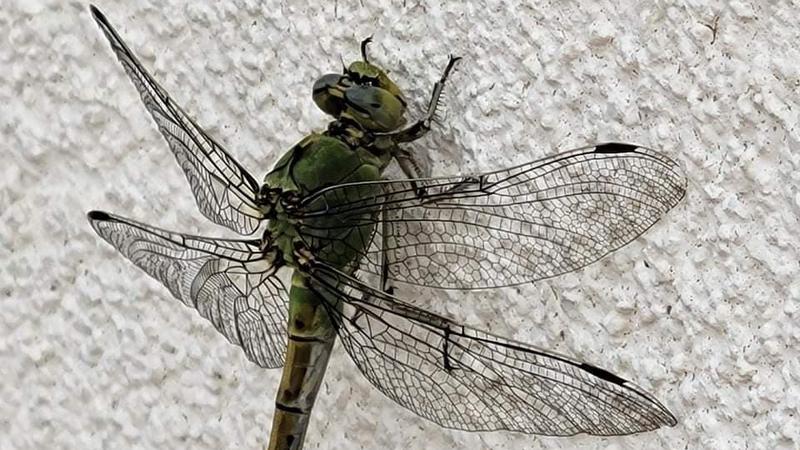
A dragonfly of unknown species, seen in Red Deer. (rdnewsNOW/Josh Hall)
canadian wildlife federation

Track local flora and fauna with the 2022 City Nature Challenge, April 29-May 2

Apr 28, 2022 | 3:14 PM

The Canadian Wildlife Federation (CWF) is running its annual City Nature Challenge this weekend across the country.

That includes in Red Deer, where residents of the city, or anyone in Lacombe County and Red Deer County, can take part.

All one needs to do is download the iNaturalist app onto a smartphone, and then from April 29-May 2, track and record as many different species of wildlife — flora and fauna — into the app.

From May 3-8, you can then help by being an identifier of different species other users have uploaded.

“This is a friendly international citizen science event designed to connect people to nature while helping track wildlife species distribution around the globe,” said James Pagé, Species at Risk and Biodiversity Specialist with CWF. “I’m thrilled with the tremendous growth in participation as this data will be invaluable to scientific research.”

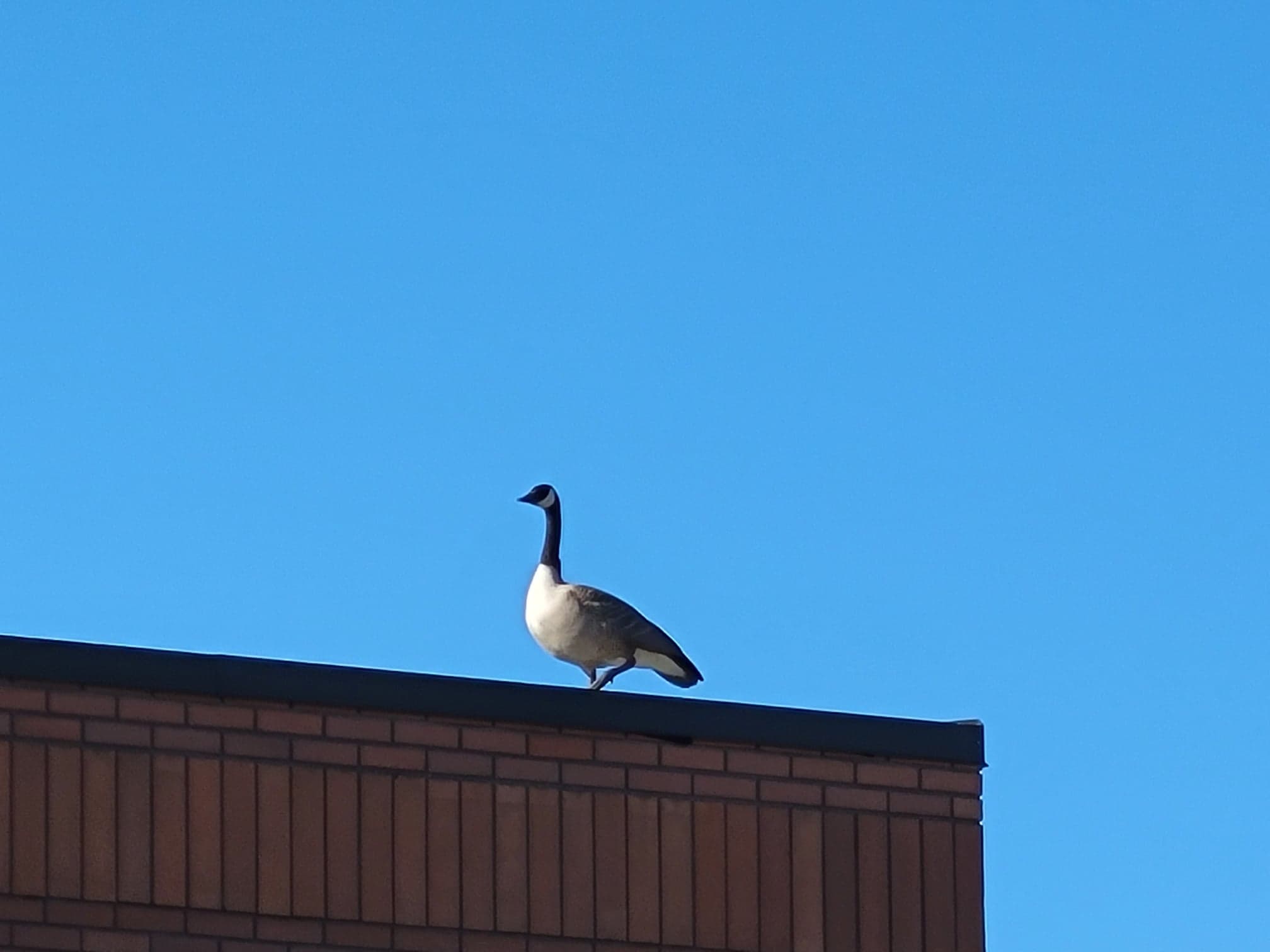
A Canada goose in Red Deer. (rdnewsNOW/Josh Hall)

Red Deer is one of 40 Canadian cities and 400 across the world registered to participate.

Last year, there were 244 cities, with more than 52,000 people registering over 1.2 million observations of 45,300 different species.

Calgary was the top Canadian city with 6,732 observations. Red Deer had 1,292 observations of 249 unique species.

Zach Dempsey, organizer of the Red Deer event, clarifies that you shouldn’t be recording observations of your pets or garden plants — just wild organisms, which could include a spider in the corner of your shower.

“It’s really important to do this, especially lately with issues like urbanization, cities getting larger, and then habitat fragmentation, where forests are getting smaller and more separated,” says Dempsey, a biology instructor at Red Deer Polytechnic, specializing in evolution ecology and invertebrate zoology, among other things.

“Humans have such a huge impact on the environment. Animals and plants are also constantly changing. This is a fun and great way to get out and do some citizen science, but it’s really useful for actual researchers to see how the distribution of organisms changes in response to human activity.”

Learning about this more deeply, he says, will tell humans how we can work with those other organisms more productively and harmoniously.

Bees and other pollinators, for example, do the equivalent of trillions of dollars worth of work when they pollinate.

“Replacing the work they do would be very expensive, so maintaining a functional ecosystem is a requirement for continuing to live within it,” says Dempsey. “Essentially, we want to do as much as we can to preserve the environment. If our ecosystem continues to decline, we will suffer as a result.”

According to the CWF, the City Nature Challenge was established by the California Academy of Sciences and Natural Museum of Los Angeles.

More information about the City Nature Challenge is at inaturalist.ca.