Subscribe to the 100% free rdnewsNOW daily newsletter!
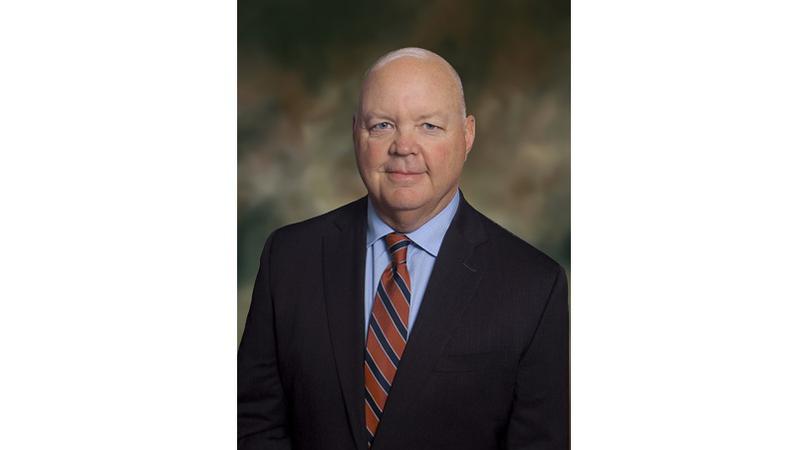
Scott Robinson, CEO, Red Deer and District Chamber of Commerce. (Red Deer and District Chamber of Commerce)
More Focus On Economic Growth Needed

Red Deer Chamber calls federal budget a ‘mixed bag’

Apr 8, 2022 | 4:53 PM

Officials with the Red Deer and District Chamber of Commerce say there’s not much in the federal government’s 2022 budget announced Thursday that speaks to small business in central Alberta.

However, CEO Scott Robinson acknowledges a couple of budget initiatives he anticipates could have some positive impact on local businesses.

“One was the introduction of the tax credit for carbon capture. We know we have some big projects here in central Alberta relative to that, both out by Clive, but also NOVA and Dow Chemical are involved in that process as well, so that’s good for them and good news for the province in terms of helping to support the growth of that industry,” says Robinson.

He further notes a change in the small business tax rate that local businesses may also be able to utilize.


“They (federal government) raised the taxable capital to $50 million versus $15 million, which helps medium sized businesses really to tax their capital at lower rates, so that was a benefit,” adds Robinson. “But other than that, to be honest, not a whole lot of benefits.”

Robinson notes, however, a federal announcement on April 4 announcing changes to the Temporary Foreign Worker Program Solutions Road Map, which aims to ensure it continues to meet Canada’ s labour market needs.

Central to this, say federal officials, is addressing labour shortages, enhancing worker protections and building a stronger workforce, including through pathways to permanent residency. Five key policy changes are to be implemented in the coming weeks as part of the TFW Program Workforce Solutions Road Map to respond to current labour and skills shortages.

“We have lots of agricultural of course, and service businesses that are going to benefit from that,” says Robinson. “We know we have labour challenges here in central Alberta and that will be a benefit, but not a lot of focus on small business at all in this budget.”

With a move towards clean and renewable energy sources by the federal government moving forward, Robinson feels central Alberta still has the potential to remain an energy hub in the province.

“Hydrogen is probably the best example of where Alberta in general, and certainly central Alberta, can transition because of our abundance of gas here and the various companies that are involved in that industry here, certainly can look towards that, being part of the hydrogen solution long-term,” says Robinson. “It’s still in its infancy, and so we’ve got a ways to go. It’s an interesting discussion because the question is, we have the world events that are going on right now, which of course are putting our traditional fuel sources, energy sources in high demand, so the transition is going to be bumpy and it’s going to be long-term.”

“It’s not going to be in three years that we’re completely shifting off,” adds Robinson. “In central Alberta, a lot of businesses relate to the oil and gas industry, so we need a clear path forward in terms of what that looks like and the timing of that. Fortunately, the federal government did kind of recognize the carbon capture industry as something that’s going to take us to invest heavily in in order to make that transition.”

“That’s a good sign because they’re not necessarily capping fossil fuel growth, however, the targets they’ve set are going to put sort of a drag on that growth,” suggests Robinson.

Economic growth is an aspect of the federal budget Robinson feels should have had more focus.

“The majority of the budget was focused on social spending, housing affordability, dental care, some defence spending,” says Robinson. “Canada is targeted to be at the bottom of the OECD countries in GDP per capita growth in the next four years on the pathway that we’re on, and that’s really concerning.”

Robinson says it would have been nice to see some debt relief for businesses that have used government programs for support.

“There were some loan programs put in place and those businesses desperately needed them because think about the hospitality industry, they didn’t do any of that,” says Robinson. “So basically the loans that those companies have taken, they’re now on the hook for them and have to pay those back.”

All things considered, Robinson calls the budget a ‘mixed bag’.

“There are a few things in here that will help certainly our industries in central Alberta,” concedes Robinson. “But they’re not significant. There’s a lot of social spending here that will be a drag on the economy and GDP in the years to come.”