Subscribe to the 100% free rdnewsNOW daily newsletter!
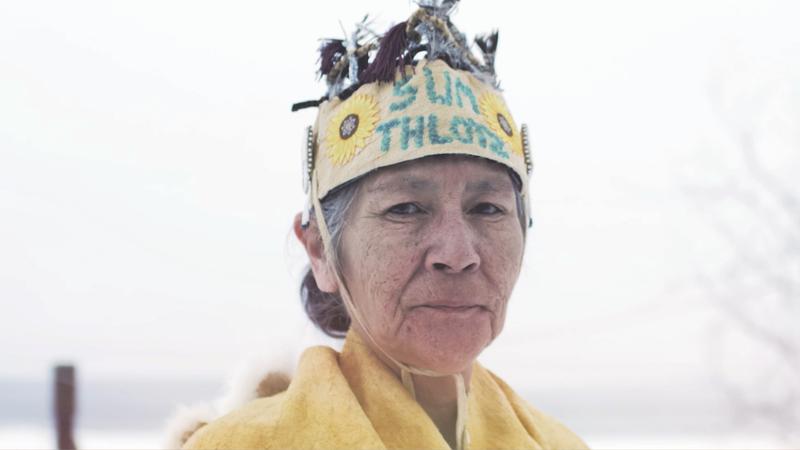
(STORYHIVE film ‘Takla Traphouse’, produced by Levi Davis)
continuing a conversation

Deadline is today for second Indigenous edition of Telus STORYHIVE filmmaking program

Jun 28, 2022 | 9:46 AM

Indigenous filmmakers once again have an opportunity to tell their story through the second Telus STORYHIVE program: Indigenous edition.

The deadline to submit a pitch and plan is June 28, with the $20,000 production grants being announced on Sept. 12. Filming will take place September through January, with projects then featured in 2024.

“In 2017, the STORYHIVE team started a conversation about how we could work with Indigenous storytellers. After working for over a year with Indigenous alumni from past STORYHIVE programs and community partners, we proudly announced the first-ever Indigenous Storyteller Edition in 2018,” says Georgina Chaplin, Territory Manager for STORYHIVE in Red Deer.

“Designed for and by Indigenous storytellers, the program provided 30 Indigenous-led film projects with $20,000 in production funding along with training, mentorship and distribution on TELUS Optik TV.”

More than 150 applications from B.C. and Alberta came in for the first edition in 2018.

Chaplin says these opportunities are important to give because Canada’s story has primarily been told through the lens of white settlers, while excluding or misrepresenting Indigenous perspectives and identities.

“As a result, screens need Indigenous stories told by Indigenous storytellers. Our priority is also to help jumpstart the careers of those with little to no experience in the television and film industry,” she says.

“We are excited to honour, spotlight and amplify the voices, stories and lived experiences of Indigenous storytellers and their communities. We are proud to partner with the Indigenous Screen Office and an Indigenous Advisory Committee to strengthen and support capacity building for Indigenous storytellers in B.C. and Alberta.”

Chaplin adds that there is an acknowledgment of Indigenous creatives being excluded from the film industry due to systemic racism.

“Apply! It changed my life and it changed my career. It opened so many doors for me and it can do the same for you. Take a breath and start working through the questions one by one. STORYHIVE is accessible — if you have any questions during the process, just reach out,” says Joy Haskell, STORYHIVE alumni and filmmaker of the 2018 STORYHIVE Indigenous Storyteller Edition project Hey Cuzzin.

Projects from the first edition can be viewed here.

More information is at storyhive.com, and you can follow the program on social media under the handle @STORYHIVE.

Film featured in the story’s lead photo