LOCAL NEWS THAT MATTERS, SENT TO YOU DIRECTLY. SUBSCRIBE FOR FREE!
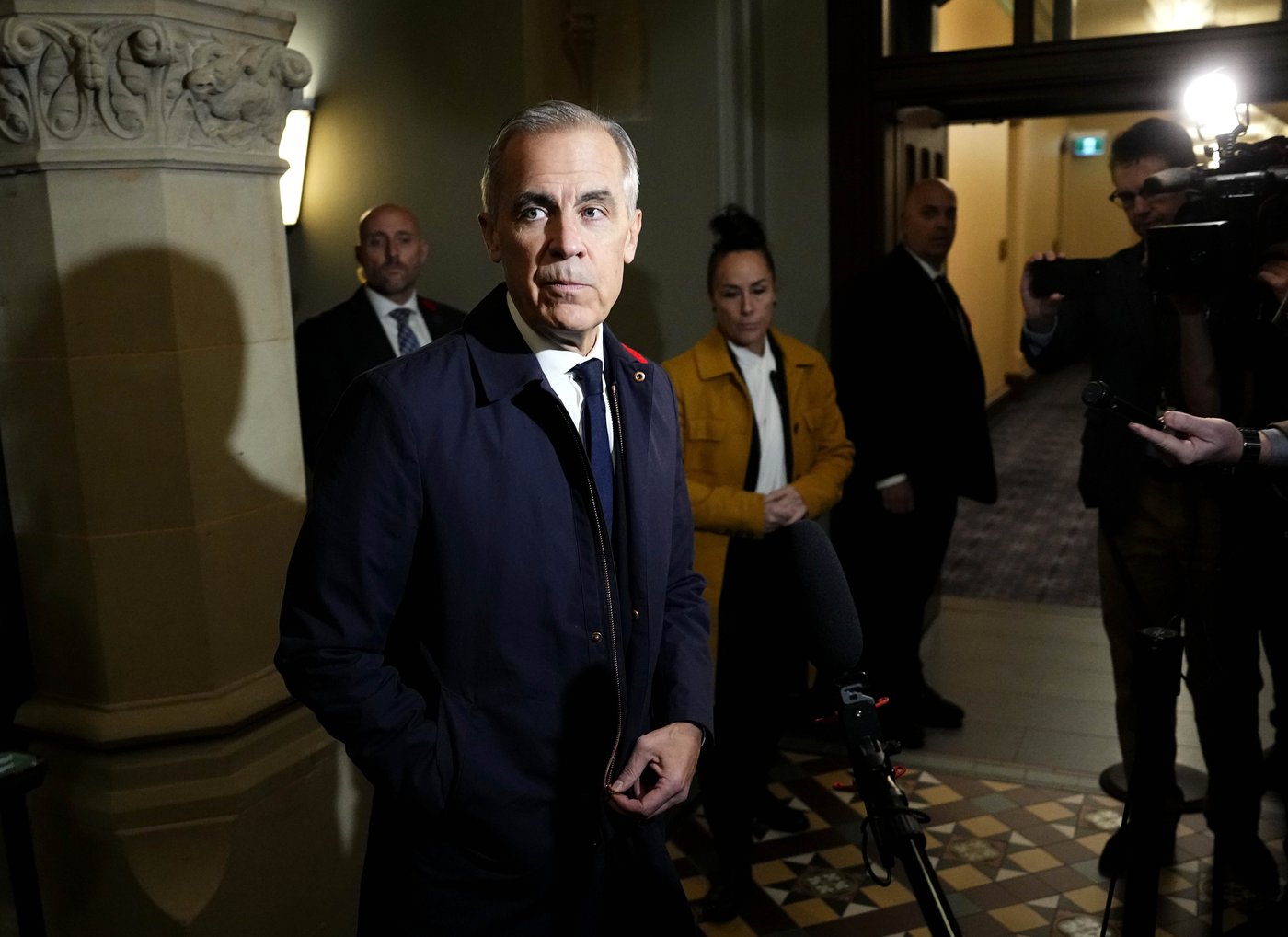
Prime Minister Mark Carney arrives on Parliament Hill before a meeting of the federal cabinet in Ottawa, on Tuesday, Oct. 27, 2026. THE CANADIAN PRESS/Justin Tang

Carney says Ottawa’s Indian Act review might not end up abolishing the law

Oct 27, 2026 | 7:58 AM

OTTAWA — A new process to review the Indian Act won’t necessarily lead to the controversial law’s termination, Prime Minister Mark Carney said Tuesday as an activist with the Idle No More movement warned his government to tread carefully.

On Monday, during a historic gathering of federal, provincial and First Nations leaders in Ottawa, the prime minister said he was “very open to” the idea of abolishing the Indian Act.

The law, which dates from 1876, gives Ottawa sweeping powers over First Nations communities and people, including the authority to decide who qualifies for status and what reserves can and can’t do.

The Indian Act also dismantled traditional forms of governance and, at one point, outlawed ceremonial practices.

It even affects First Nations people after they die. The Indigenous Services minister is required to approve wills for people living on reserve and has the power to void them altogether.

Manitoba Premier Wab Kinew, who is Anishinaabe, called for the repeal of the Indian Act during a break in the meeting in Ottawa on Monday.

Kinew, a member of Ojibways of Onigaming First Nation, held up his own First Nations status card and said abolishing the Indian Act should be high on the national political agenda. He said his proposal received an “open-minded reception” from other leaders in the closed-door meeting.

Previous prime ministers have tried and failed to reform or get rid of the Indian Act. In 1969, years before he became prime minister, Jean Chrétien introduced what was known as the “White Paper” when he was minister of Indian Affairs in the government of Pierre Trudeau.

The document called for the abolition of the Indian Act, an end to Indian status, the absorption of First Nations people as ordinary Canadian citizens, the termination of treaties and the privatization of reserve lands.

The proposal received widespread pushback from First Nations leaders led in part by Harold Cardinal and the Indian Association of Alberta. They called Chrétien’s plan assimilationist and warned it would lead to the erasure of their cultures.

“I’m sure that we were very naive in some of the statements we made in the paper. We had perhaps the prejudices of small ‘l’ liberals, and white men at that, who thought that equality meant the same law for everybody,” Prime Minister Pierre Trudeau said at the time.

“We have learned in the process that perhaps we were a bit too theoretical, we were a bit too abstract, we were not, as Mr. Cardinal suggests, perhaps pragmatic enough, or understanding enough, and that’s fine.”

Carney said the federal government will work with First Nations and the provinces and territories to review the Indian Act and suggest possible replacements for it.

“The suggestion of reforming, potentially abolishing and fully modernizing governance, is that a process, co-developed, needs to be put in place, and the federal government is open to that process,” Carney said Monday.

Carney agreed with Kinew that the idea of abolishing or modernizing the Indian Act was discussed openly in Monday’s meeting and said he was “very open to” the proposal.

“Not everybody, but other participants raised the desirability. So it’s already starting from the right place in that it’s not the federal government deciding something should be done. It’s responding to a request,” Carney said.

Most First Nations chiefs agree the Indian Act is outdated and restrictive, but there is little consensus on what should replace it.

The main conversation about the Indian Act for the past year has been about how it determines status. The vast majority of First Nations agree that the federal government should move to a one-parent rule for passing on status rights.

But Indigenous Services Minister Mandy Gull-Masty has signalled that approach will not be adopted by her government, despite calls from opposition parties in the House of Commons and the Senate for her to do so.

There are policies in place if a First Nation decides to opt out of the Indian Act and move toward self-government.

Gull-Masty’s community, the Cree First Nation of Waswanipi, is one of those self-governing communities under the 1975 James Bay and Northern Quebec Agreement — the first modern land claim in Canada and one in which Chrétien played a leading role.

Talk of reforming or abolishing the Indian Act comes as Carney works to speed up development of major projects alongside the provinces and Indigenous Peoples.

His government’s Building Canada Act initially gave Ottawa the power to sidestep the Indian Act. That provision was removed in response to calls from the Conservatives and the Bloc Québécois.

Janice Makokis, a lawyer and Idle No More organizer, said the current talk of abolishing the Indian Act is an echo of federal efforts decades earlier that triggered unrest among First Nations people and leaders.

“We must scrutinize whether the language of modernization and economic partnership is being used to shift power away from our nations while opening our territories to development,” she said in the foyer of the House of Commons.

“Our rights existed before the Indian Act, they do not depend on the Indian Act. But abolishing it without a process directed by First Nations themselves risks another era of paternalism, of Canada deciding what our freedom should look like then writing the rules for us.”

This report by The Canadian Press was first published Oct. 27, 2026.

Alessia Passafiume, The Canadian Press