LOCAL NEWS THAT MATTERS, SENT TO YOU DIRECTLY. SUBSCRIBE FOR FREE!
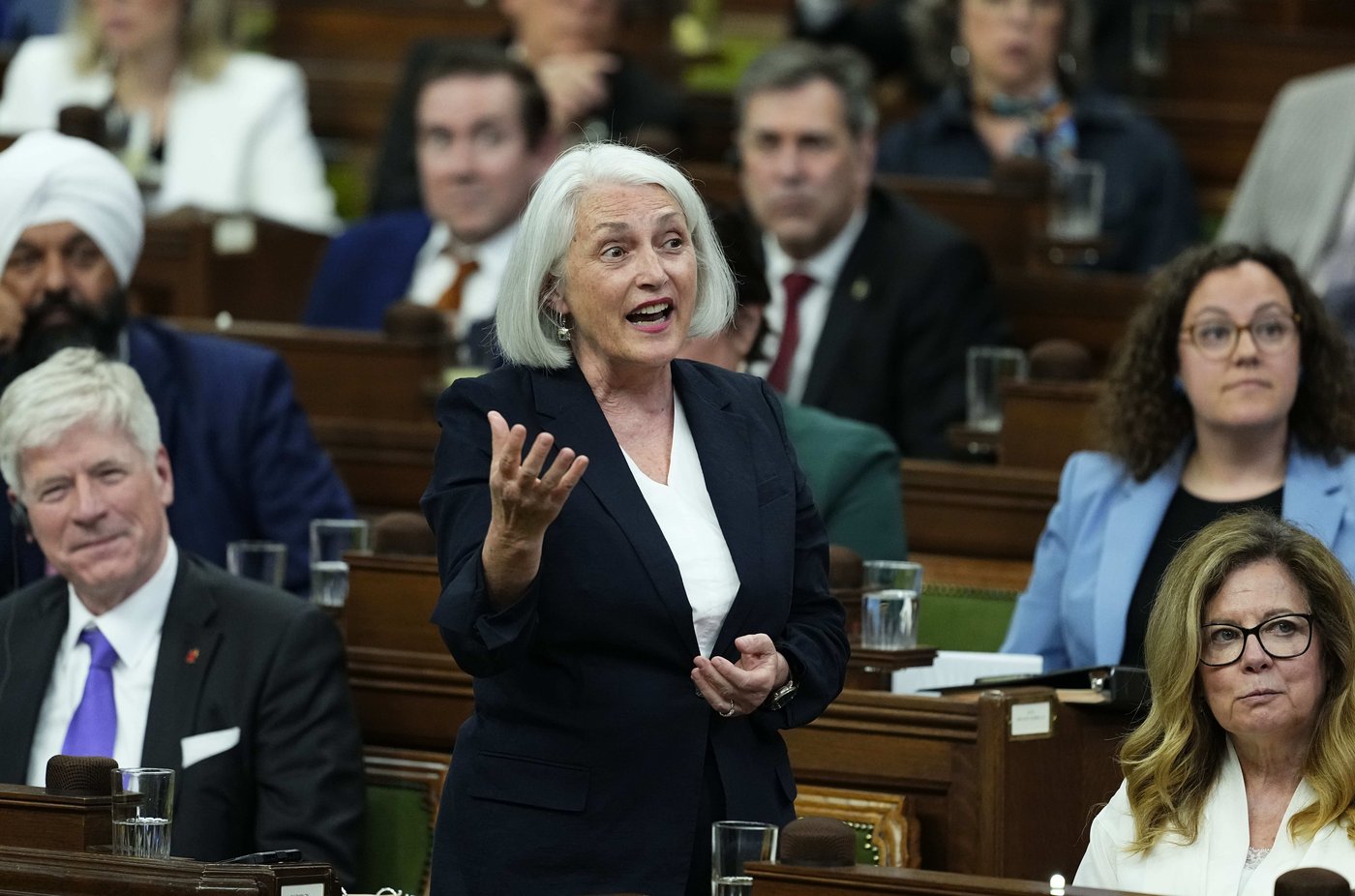
Minister of Fisheries Joanne Thompson rises during Question Period in the House of Commons on Parliament Hill in Ottawa on Tuesday, May 26, 2026. THE CANADIAN PRESS/Justin Tang

Canada urges France to back off plan for snow crab fishery off coast of Newfoundland

Sep 30, 2026 | 1:26 PM

ST. JOHN’S — Canada’s fisheries minister urged France on Wednesday to abandon a plan to launch a snow crab fishery in waters near Newfoundland and the French territory of St-Pierre-Miquelon.

Joanne Thompson said France made no mention of its plan to Canadian officials, despite Prime Minister Mark Carney visiting French President Emmanuel Macron earlier this month in St-Pierre-Miquelon, a small archipelago about 25 kilometres from Newfoundland’s Burin Peninsula.

The apparent snub comes as Canada cozies up to the European Union amid an ongoing trade dispute with the United States.

“Families in Newfoundland and Labrador and St-Pierre-Miquelon have been connected for generations,” Thompson said in a statement posted to the X platform on Wednesday.

“At a time when we need to be working more closely together, it is disappointing that France intends to take this action unilaterally.”

According to a story last week from French news outlet franceinfo, Macron promised an exploratory snow crab licence to a St-Pierre-Miquelon fishing company during his recent visit to the islands. The company would be allowed to fish 1,500 tonnes of snow crab annually for five years, the article said.

Thompson said the promised licence is in waters beyond Canada’s 200-nautical-mile economic exclusion zone, in a region Canada has claimed through the United Nations Commission on the Limits of the Continental Shelf.

A 1972 treaty allows the two countries to fish in each other’s waters. However, an international ruling in 1992 gave the French islands a 24-nautical-mile zone and added a narrow 10.5-mile strip, known as the French Baguette, which extends south and stops short of Canada’s 200-nautical-mile limit.

In 2014, France told the United Nations Commission on the Limits of the Continental Shelf that the 1992 ruling did not weigh in on French claims to the continental shelf beyond 200 nautical miles from St-Pierre-Miquelon.

France said this ambiguity could pose a problem for Canada’s claims to the region.

Thompson said Wednesday that the federal Fisheries Department is discussing its next steps with Global Affairs Canada.

In Newfoundland and Labrador, Premier Tony Wakeham said he shared Thompson’s disappointment about Macron’s pledge. He issued a statement saying France had no authority to make such a decision.

Snow crab is the province’s largest and most lucrative fishery, worth about $708 million in landed value in 2025, according to government figures. Newfoundland and Labrador fishing boats work in the area of the proposed French licence, said Dwan Street, president of the union representing inshore fishers in the province.

They’re worried about surrendering any part of the resource, even a tiny fraction as proposed by Macron, she said. But Street said she didn’t foresee Canada allowing any French snow crab licences in the area.

“Those are Canadian resources,” she said in an interview, adding: “I’m fairly confident in Global Affairs Canada, and in speaking with the minister’s office, that this is very likely going to get dealt with quickly.”

Fishers from St-Pierre-Miquelon have largely been valuable partners to those in Newfoundland and Labrador, which made Macron’s decision to promise a licence without consulting Canada all the more baffling, she added. Fishers from the archipelago often sell their catch to Canadian processors, she added.

“They rely on Canadian ports for maintenance, for supplies, and all kinds of things other than off-loading the fish and getting it processed,” she said. “It is a strange one to throw this out there and try to jeopardize that relationship.”

However, fishers in St-Pierre-Miquelon told Macron during his visit that they wanted to be able to process their catch locally and have more autonomy, according to footage captured by franceinfo.

European Commission President Ursula von der Leyen said earlier this month that she was opening the door to negotiating terms for Canada to become the first associate member of the European Union.

This report by The Canadian Press was first published Sept. 30, 2026.

Sarah Smellie, The Canadian Press