Subscribe to the 100% free rdnewsNOW daily newsletter!
(Image Credit: Red Deer Polytechnic/Supplied)
Extensive collaboration

New strategy to focus on expanding access to trades training in central Alberta

Jan 26, 2026 | 12:33 PM

Red Deer Polytechnic announced, through extensive collaboration, a new Central Alberta Trades Strategy (CATS) in an effort to expand access.

The new CATS is set to transform how trades training is delivered, accessed and supported over the next five years.

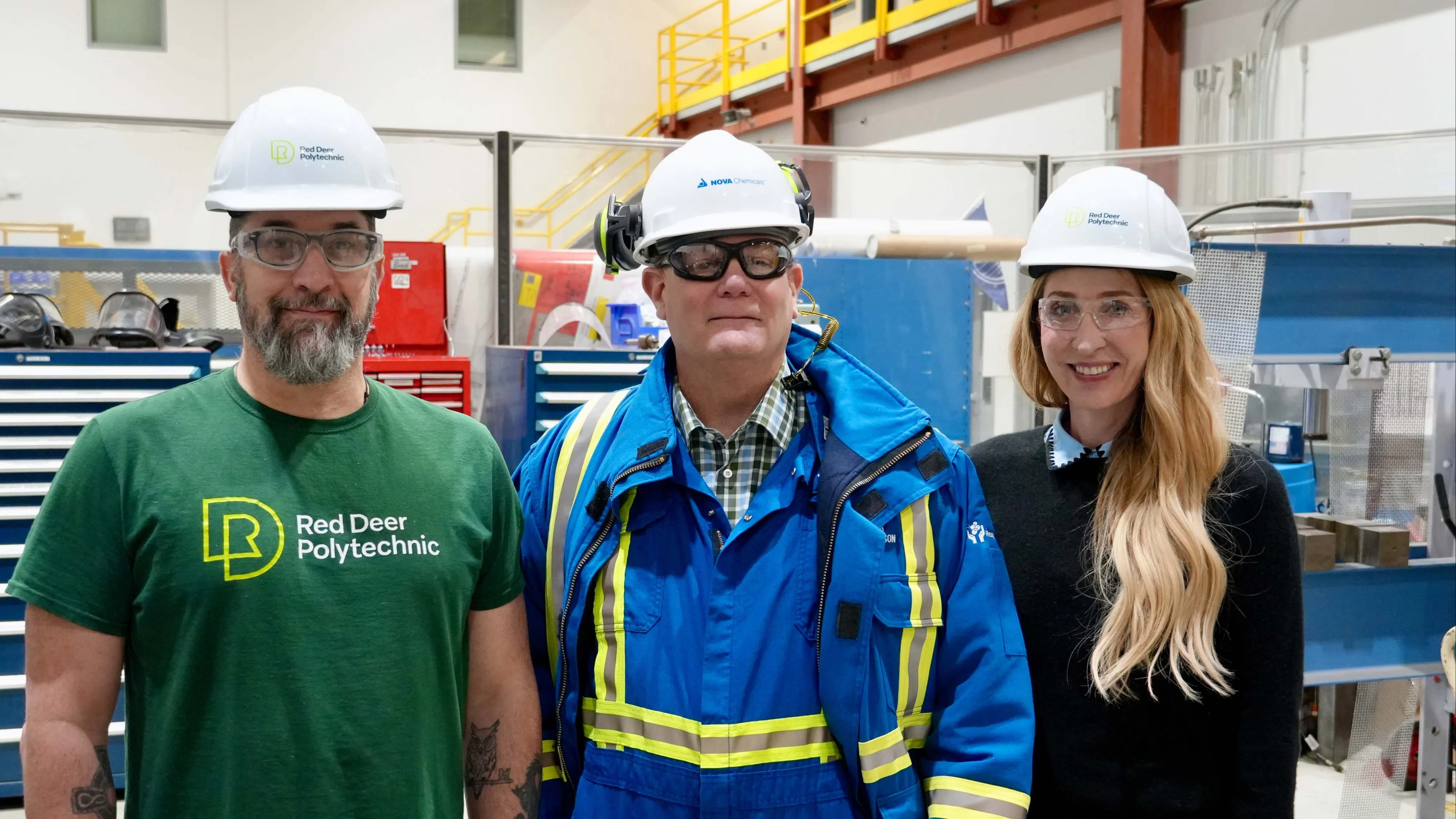
It was developed through collaboration led by Red Deer Polytechnic and NOVA Chemicals’ Joffre site to bring together educators, employers, workforce organizations, and community partners.

The new strategy is meant to address the growing demand for skilled trades professionals as well as the barriers facing learners and employers.

“Central Alberta is at the centre of Alberta’s economic transformation, with growing demand for skilled trades across construction, manufacturing, energy, transportation, agriculture, and services,” said Lindsay Engel, Vice President, Academic and Student Experience at Red Deer Polytechnic, in a media release. “While Alberta’s trades model leads Canada in training, there are still issues surrounding access, pathways, learner completion, and employer access. This strategy speaks to both the urgency of these challenges and the opportunity ahead. By working together across sectors, central Alberta can lead the way in innovative, accessible, and regionally responsive trades training.”

The Central Alberta Trades Strategy outlines seven interdependent initiatives designed to modernize trades education and strengthen workforce alignment across the region.

At its core, the strategy proposes:

  • Regional training hubs and satellite access points to expand access in rural and remote communities through mobile training units, micro‑campuses, and community‑hosted delivery sites.
  • Modular and stackable credentials that allow learners to progress in shorter blocks, earn certifications more quickly, and return to upskill throughout their careers.
  • Expanded integrated work‑based learning through deeper, more coordinated partnerships between education providers and industry.
  • Pilot projects and innovation labs to test and refine new delivery models, including asynchronous trades theory, expanded dual‑credit programming, shared instructor pools, and a centralized navigation tool that more effectively connects learners with employers.
  • Coordinated ecosystem governance to create shared mechanisms for regional planning, data sharing, and funding alignment across post‑secondary institutions, employers, K–12 systems, and municipalities.

“From an industry perspective, the challenge is immediate. Industrial operations depend on highly skilled, technically proficient tradespeople,” said Rob Thompson, Vice President of Manufacturing West at NOVA Chemicals. “This approach strengthens the pipeline of job‑ready workers for years to come by expanding the labour pool, inspiring young learners, engaging underrepresented groups, and improving completion and retention rates. We look forward to implementing the Central Alberta Trades Strategy as a way to strengthen our industry and create opportunities that ensure a strong trades workforce and a healthy central Alberta economy.”