Abandoning springtime chore can help nature
-
Share on Facebook
-
Share on Bluesky
-
Share on X
- Copy Link
Caring for and spending time in the green spaces around our homes has been a refuge for many during the pandemic. In support of biodiversity, the Nature Conservancy of Canada (NCC) is suggesting that we take our time in tackling one of springtime’s chores and abandon lawn mowing for the month of May.
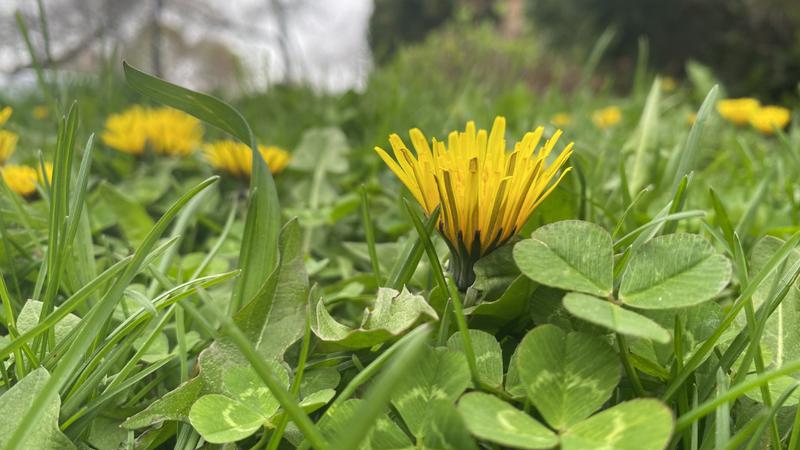
Started in the U.K. and now picking up steam in Canada, No Mow May is a call to help wild pollinators and other wildlife in the greenspaces where we live. With habitat loss and degradation as the major cause of wildlife decline, the non-for-profit land conservation organization is suggesting that keeping your lawn mower in the shed for the month of May can benefit nature.
“If you imagine dozens and dozens of backyards doing things to improve habitat for native pollinators and migratory birds, this can have a big impact on nature and the quality of our urban ecosystems,” said Carys Richards, NCC’s communications manager in Alberta. “By letting flowers bloom on your lawn, including dandelions, you can provide an important source of nectar and pollen for wild bees, butterflies and other pollinating insects.”
Bees and butterflies are the most familiar insect pollinators, while moths, flies, beetles and ants are lesser-known pollinators that still play an important role. In recent years, there has been a sharp decline in some pollinator populations due to climate change, habitat loss (including the loss of native plants) and pesticides. Many of the fruits we buy or that we grow in our own gardens, including strawberries, apples and melons, depend on pollination by wild insects.


