Subscribe to the 100% free rdnewsNOW daily newsletter!

Immigration Department helping Canadian military recruit foreign military members

Feb 23, 2026 | 4:00 PM

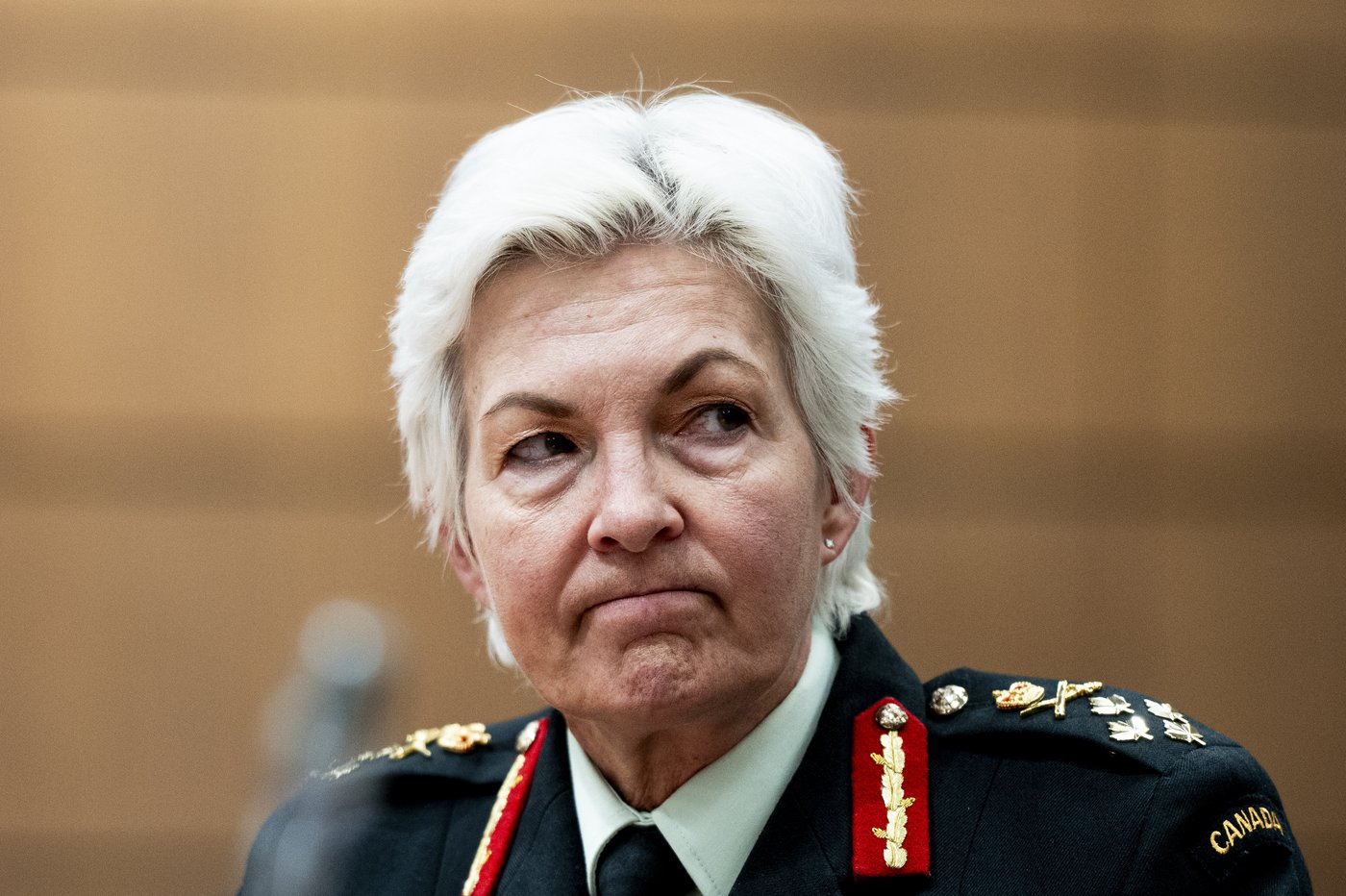
HALIFAX — The head of Canadian Armed Forces says a policy aimed at attracting highly skilled foreign military members is getting a boost from the federal Immigration Department as the military scrambles to fill jobs amid a protracted personnel shortage.

Gen. Jennie Carignan, chief of defence staff, said Monday the military already has a program in place to attract military members with specialized skills, including pilots who already know how to fly F-35 fighter jets, which Canada is in the process of buying from the United States.

Carignan gave the example of a fighter pilot from the Netherlands who wants to move to Canada, saying the federal Immigration Department would now offer some help.

“We are going to be looking for F-35 pilots,” Carignan told a group of journalists in Halifax after she concluded a day of visiting the port city’s military sites.

“With our colleagues from Immigration … we are able to put a bit of a spotlight on specific capabilities or individuals with skills that we are looking for as well.”

The general also highlighted the military’s need to attract more maritime technicians as the Royal Canadian Navy is poised to expand its fleet with the introduction of new, river-class destroyers.

Carignan said the military is keen to attract technicians from NATO countries or members of the Five Eyes intelligence-sharing alliance, which includes Australia, New Zealand, the United Kingdom and the United States.

“If you are a maritime technician operating somewhere ….your file becomes very attractive as you’re planning to move to Canada,” she said.

As well, Carignan said the military is keen to recruit those who can operate the advanced military gear being acquired by the Canadian Armed Forces, including long-range precision weapons for the army and new drones for the navy and air force. She also mentioned new capabilities for cyber- and space-warfare.

Charlotte Duval-Lantoine, a fellow at the Canadian Global Affairs Institute in Ottawa, said the Canadian military is having no problem recruiting young people to join its ranks, but it’s having trouble retaining members once they have been trained.

“The training pipeline takes way too long,” she said in an interview. “That can take four, five or six years, especially when you’re looking at doctors and pilots.”

Duval-Lantoine said the military’s decision to get some help from the Immigration Department is a good idea, but she it was unlikely the program would solve all of its recruiting problems.

On another front, Duval-Lantoine said the military’s latest recruiting efforts might be aimed at attracting American military personnel who have grown wary of the U.S. government’s open hostility towards female service members, as well as those who are racialized or trans.

She said it’s no secret Canada is already trying to attract American university researchers disenchanted with U.S. President Donald Trump’s administration.

“So, why would we think that we wouldn’t do that with the military?” Duval Lantoine asked.

Last week, Immigration Minister Lena Diab added three new permanent residency streams to Canada’s express entry program, which cover a variety of professions including military roles.

Ottawa is also introducing a new express entry stream for foreign military applicants who have been recruited by the Canadian Armed Forces to serve as doctors, nurses and pilots.

Diab said this will support the government’s $6.6 billion defence industrial strategy, announced Tuesday.

This report by The Canadian Press was first published Feb. 23, 2026.

Michael MacDonald, The Canadian Press