Get the free daily rdnewsNOW newsletter by subscribing here!
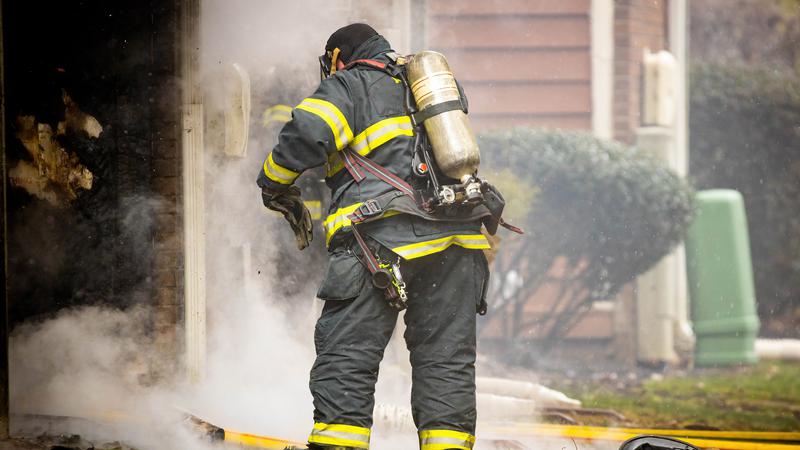
new Self-Contained Breathing Apparatus on back of firefighter(Photo 244938133 © Ivan Kokoulin | Dreamstime.com)
Self-Contained Breathing Apparatus Compressor

Red Deer’s Emergency Services Training Grounds to receive new compressor system

Oct 3, 2023 | 4:27 PM

Red Deer’s Emergency Services Training Grounds will soon be receiving a new Self-Contained Breathing Apparatus (SCBA) Compressor system.

At their meeting on Monday, city council approved the consolidation and deferring of budget items in relation to the purchase, installation, and partial completion of the connection of electrical services for the SCBA Compressor system at the training grounds.

Compressor systems refill breathing air cylinders for use in Fire & Rescue operations and training evolutions.

“That’s what firefighters wear when they have to conduct operations in dangerous environments or immediate life-hazard environments. Any time that there’s a question of compromised air quality, then they’ll wear an SCBA and the SCBAs have to be filled with breathing air. The SCBA Compressors that we have allow just for that: they allow the breathing air cylinders that firefighters wear on their backs every day to be able to be filled,” said Tyler Pelke, Deputy Chief with Red Deer Emergency Services (RDES).

He says depending on the firefighter’s aerobic capabilities, type of work performed, and size of the cylinder, one bottle can last around 30-45 minutes.

In the 2023 capital budget, two jobs were approved regarding SCBA Compressor systems: one replacement system at Fire Station #2 (5839 67 St.) at $72,170 and one new compressor system at the Ed Howell Emergency Services Training Tower, with an estimated cost of $95,883.

The tower was recently opened in March 2022, replacing the older building at the same location (4343 78 Street Cres.).

READ: City opens new emergency services training centre

There are currently three compressor locations in the city, each with a 10-year life-cycle replacement plan, based on industry standards, design, and hours of use. Pelke says a compressor’s life-cycle is around 10,000 hours, with each cylinder taking between 10-30 minutes to fill up, depending on the size.

He adds the 10-year replacement plan was created when the city only had one compressor to meet the demand and compressors are typically replaced when it is more cost efficient to do so rather than repairing.

Administration says the unit at Station #2 was approved for replacement in the 2023 budget.

However, following an investigation, administration says the city would be almost $100,000 short from what they need to complete the two projects, as prices have increased by 160 per cent.

Pelke says although cost estimates for the projects during budget time were based on data from their initial installations 10 years ago, factoring in inflation, current market prices proved more than anticipated.

Administration says that evaluation has been conducted on the Station #2 compressor, indicating that due to proactive ongoing system maintenance and lower than anticipated hours on usage, replacement of the unit can be deferred to 2031, without having an impact to frontline service delivery.

As a result, the roughly $168,000 budget will go fully to building the new compressor at the training facility.

Pelke says as there will now be four compressors in the city, their individual usage hours will decrease, therefore increasing their longevity and lifespan to 20 years.

“They are well maintained, they have air quality sampling done multiple times a year and the parts and preventative maintenance is done on them quite regularly, so we think based on the hours of usage and now adding again another compressor to the fleet, that reduces the overall time that all of them are used and that increases longevity for all of them,” he said.

He adds that efficiency and training effectiveness will also see positive impacts at the facility as they will no longer need to transport cylinders to other compressor locations for refill.

“The one at the training grounds will allow us to make sure that we’re able to actually fill bottles while we’re completing evolutions versus having to put bottles in a vehicle and drive them to another location and then bring them back,” he said.

The training facility also serves the community, generating revenue through rentals to external Fire Departments. He says they will now have the opportunity refill their bottles on site, increasing their capacity for evolutions.

The City says they are aiming to complete installation of the new compressor before the winter months.