Subscribe to the 100% free rdnewsNOW daily newsletter!
Photo 10052820 © Richie Lomba | Dreamstime.com
Influx of mosquitos

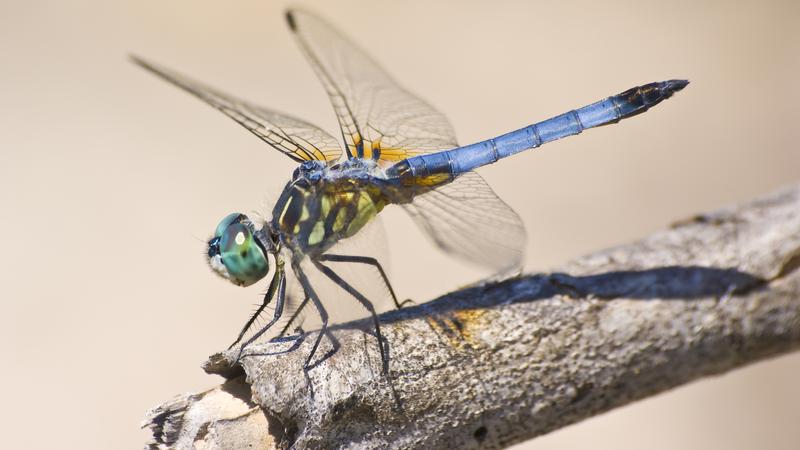
Dragonflies may soon save the day against Red Deer’s mosquitos

Jul 12, 2022 | 3:59 PM

Red Deerians should expect to see more dragonflies this summer to counteract the influx of mosquitos.

“Dragonflies are our friends,” said Ken Lehman, Parks Ecological Services Operations Coordinator for the City. “It’s amazing how nature will balance out and sometimes we just have to wait a week or two, which is uncomfortable, but then those dragonflies come and they come in numbers because those mosquitos are there.”

With the large amount of rain seen in the past few weeks, the mosquito population this summer has been larger than in recent years which saw more drought-like conditions, he explains. However, he also states that when similar humidity occurred in past summers, an influx of dragonflies, who feed off mosquitos, were not far behind.

While a large mosquito population is not a danger to humans, Lehman says they are a nuisance for residents. As a result, many cities have ways to manage population levels to improve the quality of life for locals without exterminating adult mosquitos, where methods can be harmful for humans and the environment.

Red Deer manages mosquito populations each spring, he says, with a campaign targeting hot spots for standing water like ditches, storm ponds and other temporarily flooded areas found in almost all neighborhoods.

The City’s Integrated Pest Management (IPM) Team will visit these hot spots and spray Bacillus thuringiensis israelensis (BTI) over the water, a pesticide that, he describes, is a non-toxic and naturally occurring bacteria approved by Health Canada specifically targeting mosquitos in the larvae stage.

After a female mosquito takes blood from a mammal or human, then laying eggs in a wet area, a larva will hatch out of the egg and live under water. Once the pesticide is sprayed over the water, the larva rises to the top for air but ingests the pesticide, perishing before becoming an adult mosquito.

“Our goal with the mosquito program is not to eliminate mosquitos but to keep them at tolerable levels,” he said.

Lehman confirms that this year’s mosquito population has been so large the City had to complete two extra summer mosquito campaigns, each between one to four days in length. He says they have treated more larvae this summer than in the past two years combined.

He also states the IPM team treated a few areas outside the City’s borders but the surrounding Red Deer area remains worse for mosquito levels.

Lehman clarifies, however, the difference between still wet areas and wetlands.

“They’ve [wetlands] got dragonflies and they got predaceous diving beetles, and they got damselflies, all the things that eat mosquitoes and kind of keep those things in balance are at play there. When you got a storm water pond or a dry pond or a ditch somewhere or somebody’s back yard, you don’t have those predators to help keep those things in check,” he said.

Other animals that reduce mosquito populations are songbirds, swallows, and bats, he says, stressing the importance of promoting a diverse habitat to provide area for predator and prey relationships in the ecosystem.

Residents can also avoid mosquitos by covering rain barrels in yards, ensuring house and garage gutters are cleaned, avoiding long grassy areas at dawn and dusk and finding a way to keep water areas flowing.

Lehman says the City has effectively controlled most, but not all, of the larvae. Thus, will continue to monitor the situation for rain and mosquito population levels.