Subscribe to the 100% free rdnewsNOW daily newsletter!
(rdnewsNOW)
more biosolids increasing treatment costs

Wastewater utility rates to go up to cover budget oversight

Feb 18, 2021 | 12:43 PM

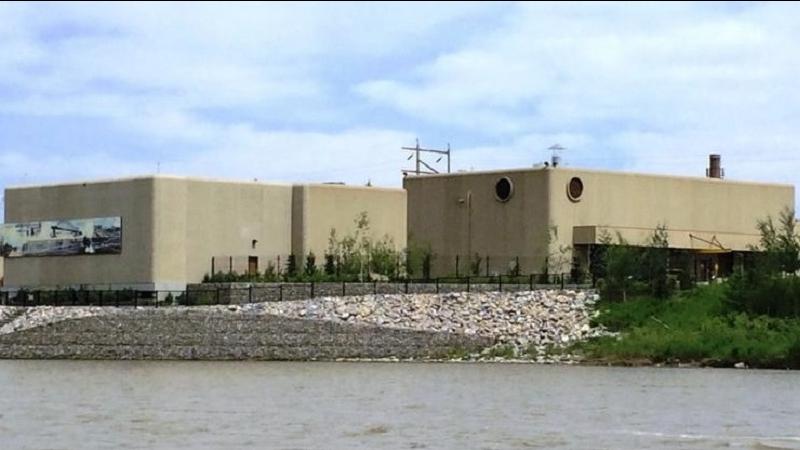
Red Deer city council has taken steps to help address concerns over the Wastewater Treatment Plant’s ability to accommodate a growing volume of biosolids.

On Tuesday, council authorized a one-time transfer of $550,000 from the Wastewater Operating Reserve to the Wastewater Operating Budget for the purpose of biosolids management.

The measures further call for council to address the ongoing funding deficit in 2022 with a 2.9 per cent rate increase, to be presented in the 2022 Utility Rate bylaw, expected to come before Council in Q1 2022.

City officials say the budget amendment request was missed during 2021 operating budget discussions, therefore rates have already been set for this year.


Utilities manager Jim Jorgensen described the budget adjustment as an absolute need for the city.

“In its totality, the 2.9 per cent is only on the wastewater component of a customer’s utility bill,” he explained. “So 2.9 per cent is roughly $1.20 impact monthly for the average or typical residential customer.”

With the increasing amount of wastewater through the North, South, and Sylvan Lake wastewater transmission lines, biosolids (solid product of wastewater treatment), according to city officials, are accumulating faster than the ability to remove them.

Biosolids are said to result from the treatment of wastewater which removes the solids (sludge) from the liquid effluent.

According to city officials, land application of municipal biosolids can supplement and may reduce fertilizer use. Land application results in the storage of carbon in the soil, thereby minimizing greenhouse gas (GHG) emissions to the atmosphere.

In Red Deer, biosolids are stored in settling lagoons at the treatment plant to thicken until they are ready for application. There is $450,000 allocated in the annual operating budget to manage the city’s biosolids through land application using the services of a specialized contractor, which addresses approximately 2,300 and 3,000 dry tonnes per year of biosolids.

City officials further note that not addressing the issue would have increased the risk of adversely affecting discharge into the Red Deer River and, ultimately, non-compliance with the city’s approval to operate.