Subscribe to the 100% free rdnewsNOW daily newsletter!
Red Deer Polytechnic and Nova Chemicals

Op-ed: A future-ready trades system is built together

Feb 27, 2026 | 3:25 PM

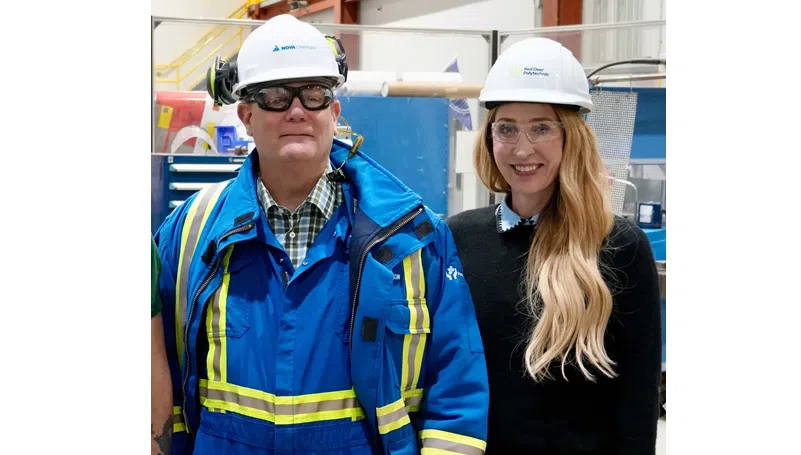
Lindsay Engel​ (pictured above) is Vice President, Academic ​and Student Experience​, at Red Deer Polytechnic and Rob Thompson​ (pictured above) is Vice President of ​Manufacturing West​ at NOVA Chemicals’ Joffre Site​. They co-chair the Central Alberta Trades Strategy. 

At a time when the need for a skilled workforce in Alberta is growing, along with a growing number of nation-building projects that are at the forefront in Canada, it is essential that a skilled workforce is at the ready to ensure that Alberta and the country grows its productivity and prosperity. Canada’s economy is changing, and the way we train skilled trades workers has not kept pace.  

Across central Alberta, demand for skilled trades continues to grow in construction, manufacturing, energy, transportation, agriculture and personal services. Employers struggle to find workers, while capable learners face barriers that have little to do with ability and everything to do with access, geography and system design. Training pathways remain fragmented, lack flexibility, and are difficult to navigate, particularly outside major urban centres. 

This disconnect is not accidental. It reflects systems built for a different era, when learners were expected to relocate, step away from work and family, and move through training in large, rigid blocks. That model no longer reflects how people live, work or learn. 

Recognizing this gap, education, industry, community and government partners came together to develop the Central Alberta Trades Strategy, a coordinated regional approach to modernizing how trades training is delivered and supported. While rooted in Central Alberta, the strategy is intentionally designed as a model that can be adapted in other regions across Alberta and Canada. 

READ MORE: New strategy to focus on expanding access to trades training in central Alberta

From an industry perspective, the challenge is immediate. Large industrial operations depend on highly skilled, technically proficient tradespeople to operate complex, safety-critical facilities. Yet tightening labour markets, an aging workforce and growing competition for talent make it increasingly difficult to recruit and retain workers. Bringing in skilled labour from outside the province is costly and uncertain. Long-term stability depends on clearer career pathways, stronger preparation and better alignment between learning and employment. 

Alberta polytechnics and colleges are well positioned to respond. They have the expertise, infrastructure and commitment to train the next generation of trades professionals. What limits their impact are outdated program structures, funding models that lack flexibility and insufficient coordination across jurisdictions. Traditional block-delivery formats continue to create unnecessary barriers, particularly for learners in rural and Indigenous communities, as well as for women and newcomers. Travel costs, inconsistent local program availability and limited access to career guidance exclude many capable people before they ever begin. 

These are not individual shortcomings. They are system failures. 

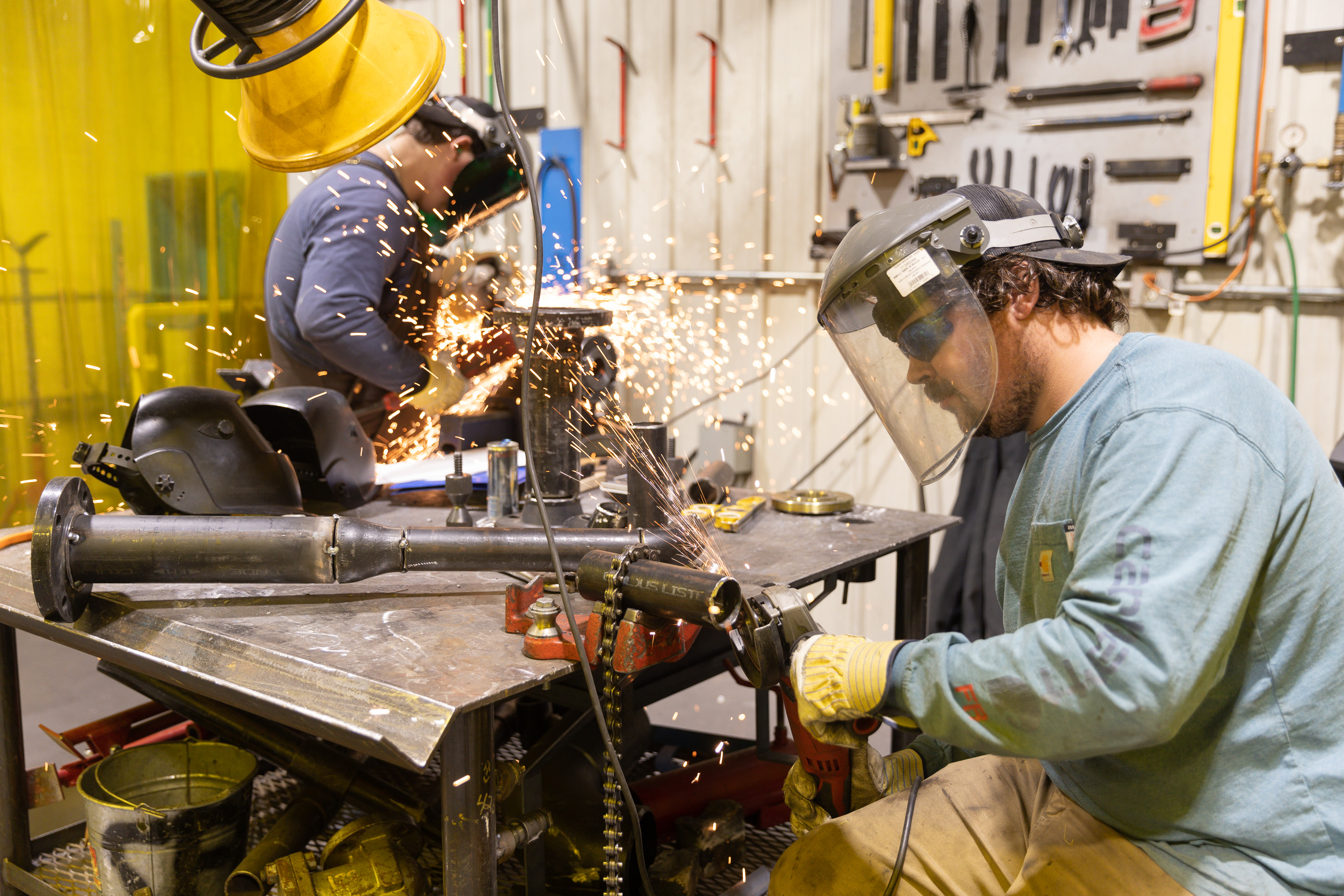
RDP steamfitter/pipefitter program.
RDP steamfitter/pipefitter program. (Image Credit: Red Deer Polytechnic)

The Central Alberta Trades Strategy responds by rethinking the system itself, placing learners, employers and communities at the centre. It emphasizes bringing training closer to where people live and work, offering credentials that can be completed in shorter, flexible segments and strengthening work-based learning opportunities through apprenticeships, co-operative placements and mentorship. It also creates space to test new approaches, including alternative theory delivery, expanded dual-credit options and shared instructional resources, while improving coordination among educators, employers, municipalities and government. 

The result is a trades system that is more responsive, inclusive and resilient. 

For employers, this approach strengthens the pipeline of job-ready workers for years to come by expanding the labour pool and inspiring young learners, engaging underrepresented groups and ensuring completion and retention rates improve. For learners, it offers training closer to home, clearer progression routes and pathways that fit real-life constraints. For communities, it supports economic growth and workforce stability. For governments, it provides a practical way to translate workforce policy into measurable, positive regional outcomes. 

Central Alberta is demonstrating what becomes possible when education and industry stop operating in parallel and begin working together. A trades system that is flexible, accessible and future-ready will not emerge by chance. It requires deliberate partnership and shared responsibility. 

The time for coordinated action is now.  

Read details of the Central Alberta Trades Strategy at rdpolytech.ca/CATS.    

Lindsay Engel​ is Vice President, Academic ​and Student Experience​, at Red Deer Polytechnic and Rob Thompson​ is Vice President of ​Manufacturing West​ at NOVA Chemicals’ Joffre Site​. They co-chair the Central Alberta Trades Strategy. 

EDITOR’S NOTE: The views expressed above are those of the author and do not necessarily represent those of rdnewsNOW or Pattison Media. Column/op-ed suggestions and letters to the editor can be sent to news@rdnewsNOW.com.