Get the free daily rdnewsNOW newsletter by subscribing here!

Newfoundland girl’s disappearance prompts calls for tougher laws to stop abductions

Dec 5, 2025 | 2:00 AM

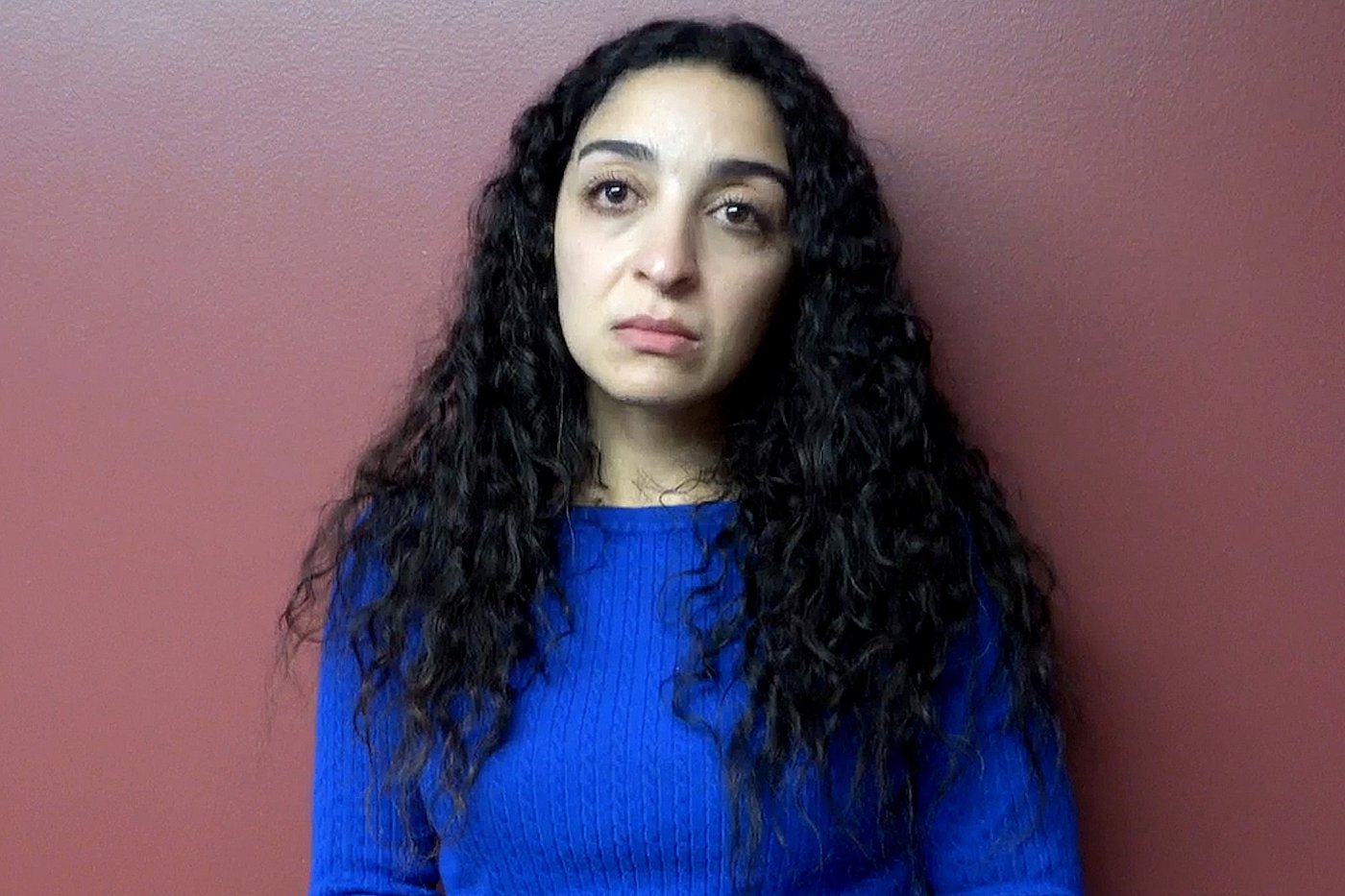
ST. JOHN’S — Bouchra Marbouhi says she last saw her young daughter more than two months ago, when the girl left with her father for a routine sleepover.

The five-year-old never came home, she said.

Instead, Marbouhi said she got a series of texts the next day from her estranged husband, her daughter’s father, saying he had taken the child to Egypt. The Canadian Press has viewed the messages.

“I was shocked, I started crying,” Marbouhi said in a recent interview. “I honestly felt like I was dreaming.”


There was a temporary court order in place, forbidding the father from taking his daughter outside of St. John’s, N.L. But it wasn’t enough to prevent her daughter’s disappearance, Marbouhi said.

“I trusted the system to protect (my daughter) and I found out too late that how many gaps are there — no exit checks, no coordination between courts and borders,” she said.

The girl’s disappearance underscores long-standing concerns from women’s groups and family lawyers about the ease with which a parent can take a child to another country without the other parent’s knowledge or consent.

They have called for stronger systems and policies to prevent international abductions, especially for those involving children taken to countries that have not signed onto The Hague Convention, a global agreement aimed at curbing abductions.

“We need to have some kind of red flag system at international borders,” said lawyer Pamela Cross, who is a member of Ontario’s Domestic Violence Deaths Review Committee.

“Because we know that once a child is removed to a country that has not signed The Hague Convention, getting them back from that country is extremely difficult.”

Egypt is not part of The Hague Convention.

Marbouhi said she asked her estranged husband for a divorce many times over the eight years they have been married, but he wouldn’t agree.

It wasn’t until she moved to Canada last year that she found community support in St. John’s, N.L., to help her get away, she said.

In May, a judge with the family division of the provincial Supreme Court granted Marbouhi’s request for an interim non-removal order, saying neither parent could take their daughter out of the jurisdiction. The judge granted the order because they were convinced of “an immediate danger of the child’s removal,” according to documents shared with The Canadian Press.

The document said the judge was not prepared to order who the primary parent was, or whether the child’s father required supervised parenting time.

Marbouhi said they began a schedule in which her daughter spent Friday nights with her father, and came home Saturday. He picked her up as usual Sept. 26. On Sept. 27, Marbouhi said she received the texts saying he’d taken her daughter to Egypt.

She said she immediately phoned 911.

The police went to his house and found it empty, and then confirmed with the airport that he was gone, she said.

The Royal Newfoundland Constabulary said in October it had issued a warrant for Ahmed Mohamed Shafik Abelfat Elgammal, Marbouhi’s estranged husband, on charges of abduction in contravention of a custody order.

The allegations against Elgammal have not been proven.

Attempts by The Canadian Press to contact Elgammal were unsuccessful.

Marbouhi is not a Canadian citizen or a permanent resident, and she is not guaranteed re-entry to Canada if she leaves the country.

“I’m trying to stay strong, but it’s too hard,” she said. “I need her, I need to be with her.”

The Canada Border Services Agency does not require people leaving Canada to speak with an agent the same way they must when they enter the country, said a spokesperson in an email. However, police can issue an Amber Alert, for example, and trigger an “enforcement flag” allowing border agents to stop someone, the email said.

Civil proceedings, such as family court orders, are not typically reported to the agency, said Luke Reimer.

The Royal Newfoundland Constabulary said it did not issue an Amber Alert because the child was already out of the country when she was reported missing. The force is working with “numerous agencies to confirm the safety of the child,” said spokesperson Const. Stephanie Myers in an email.

Cross said better systems of scrutiny should be in place for people crossing borders with children, especially to countries that have not signed on to The Hague Convention.

“It should be, ‘Excuse me, sir, we just have to check with the child’s other parent. Can you and the child please wait here?'” she said. “Everything can be done with great courtesy.”

Anuradha Dugal, executive director of Women’s Shelters Canada, said her organization has long been calling for better coordination between federal and provincial authorities, so documents such as non-removal orders would not just be enforced in their originating province.

“What’s applied in a family law has to jive with what would be expected at the federal level,” Dugal said in an interview.

Women and children are most vulnerable when the woman leaves and takes steps to protect herself and her kids, Cross said. A court order really is just a piece of paper without a larger safety plan backing it up.

“We live in a global world now,” she said. “It’s going to take a collaborative response across all systems to improve the safety of women who do what any logical person would do and turn to the law to protect them.”

Marbouhi said she wished someone at the court — even the judge — had told her that the non-removal order came with little enforcement.

“It’s terrifying,” she said. “Any child can just disappear across borders.”

This report by The Canadian Press was first published Dec. 5, 2025.

Sarah Smellie, The Canadian Press