Subscribe to the 100% free rdnewsNOW daily newsletter!
(rdnewsNOW file photo)
housing options

Red Deer city council denies four units as-of-right condition in Housing Accelerator Fund

Jul 22, 2025 | 4:14 PM

Red Deer city council unanimously approved this week, a motion to not move ahead with a federal affordable housing grant condition that would allow four units as-of-right on all residential lots.

The city previously applied to the Canada Mortgage and Housing Corporation (CMHC) for $30 million of its Housing Accelerator Fund (HAF), but was approved for only $12 million earlier this year.

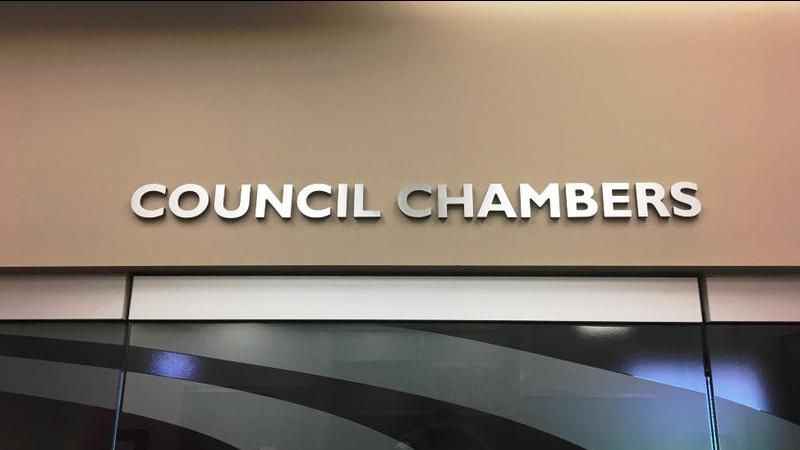
Councillor Bruce Buruma brought forward the motion which denied the condition attached to the $12 million during the regular city council meeting on Monday afternoon following hours of deliberation in council chambers.

As a result, council approved the motion to let the federal government know that it would not accept the four units as-of-right condition, but that the city remains committed to finding ways to add more affordable housing.

“This is an item of significance within our community and as I referenced earlier, I’ve been pleased to be part of the Housing and Homeless Integration Committee and I know one of the challenges we’ve faced is we have not increased our housing stock,” Buruma said. “The housing accelerator fund, when we applied for that, provided us with an opportunity to do that but we need to create a community around housing. We cannot divide our community in regards to some of the restrictions that were applied.”

This decision comes after significant public input. Red Deerians voiced support for creating more housing options but pushed back on a city-wide as-of-right zoning model.

Council also directed the mayor and members of council to advocate to the Minister of Housing and Infrastructure, Gregor Robertson and MP Burton Bailey to remove the federal requirement for four-units-as-of-right, while administration will advocate to CMHC for the same.

The four units as-of-right condition was expected to add 67 more units over the next three years. In total, the $12 million was going to be dispersed into multiple initiatives to incentivize 352 total units. Whether the remaining 285 units will still be built, remains up in the air as well while the city communicates with CMHC.

Councillor Cindy Jeffries said while she regrets the turmoil they may have caused, she appreciates the passion and involvement from citizens.

“We want to desperately say yes to $12 million, we know it could make a big difference in our community. We can’t say yes because of the four units as-of-right blanket zoning requirement even though we could meet all the outcomes we promised to deliver on… This position gives us a strong advocacy position.”

“We can say we had to say no to the money in our community because the requirements don’t fit with who we are and what our community wants,” Jeffries added. “It’s a chance to provide housing in Red Deer. Are you going to say no to giving us money that you had already allocated to us because of this one requirement? I have a hard time believing that it’s not a good case that we’re making.”

Meantime, Mayor Ken Johnston had a message for CMHC, saying this city is full of great people and that it’s just one condition holding them back.

“We are asking you in this motion to understand that just that clause, just that gun to the head if you will, is where we struggle. We are saying we will work hard to fulfill the other units in our plan and to not get hung up on the 67 or so,” the Mayor added. “Look at the bigger picture CMHC. The bigger picture is the need is still their with a capital N and you have a community that is willing to address it.”

David Girardin, senior manager of growth and planning with the City of Red Deer, said the Housing Accelerator Fund is designed to remove barriers and speed up housing development, but four units as-of-right is not the only way to achieve that.

“We have a range of tools available, and we are confident we can meet our housing targets by advancing other initiatives that reflect community priorities and build support for a more diverse housing mix,” he said.

“Through public participation, residents shared ideas that will help shape future housing approaches and solutions. While council has chosen not to proceed with four units as-of-right, the feedback gathered through this process will continue to guide other housing initiatives.”