Get the free daily rdnewsNOW newsletter by subscribing here!
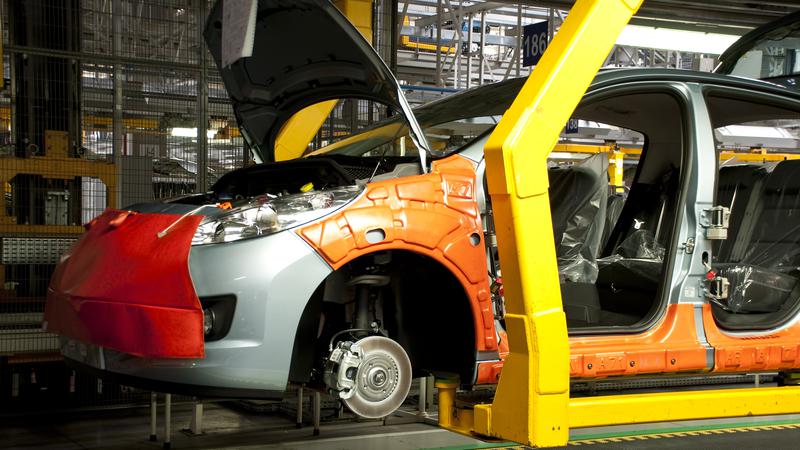
(ID 16524268 © Mahroch | Dreamstime.com)
industry uncertainty

Automotive industry navigating challenges brought by U.S. tariffs

Mar 5, 2025 | 12:48 PM

There’s a lot of uncertainty when it comes to the trade war between the United States and Canada.

As of yesterday U.S. President Donald Trump imposed a 25 per cent tariff on all Canadian imports, with a 10 per cent tariff on energy.

In response, the Canadian government implemented retaliatory tariffs of 25 per cent on U.S. goods coming into the country. These will remain in place until the U.S. removes their tariffs on Canadian goods.

However, on Wednesday morning the automotive industry caught a break.

President Donald Trump said the big three auto makers will get a one-month exemption from tariffs for any vehicles coming through the Canada-U.S.-Mexico Agreement.

Those reciprocal tariffs were set to go into effect on April 2, White House Press Secretary Karoline Leavitt said, but Stellantis, Ford and General Motors asked for a one-month exemption when they spoke to Trump on Wednesday.

Chief Executive Officer of Lacombe Ford, Darren Gagnon, said it’s too early to predict the extent of how the industry will be affected but after reading, industry leaders say worst case scenario is the automotive production chain closes down in two weeks and best case scenario is a 15 to 20 per cent increase in vehicle orders.

He also said the parts supply chain will be hindered again as it was during the COVID-19 pandemic. This will most likely drive up prices on the consumers for parts and auto repairs.

“I can speak for Ford Motor Company but I’m quite certain the other manufacturers did the same, that there was a price increase imposed over the last couple of weeks on most of the vehicles,” he said adding all ‘F’ series trucks received a price increase of $1,500, which is significant for this time of the year.

Gagnon added that all of Lacombe Ford’s vehicles are purchased from Ford of Canada but most of the assembled vehicles come from the U.S. However, some vehicles are assembled within Canada.

“The price of vehicles that are assembled in the U.S. will go up because many of the parts go back and forth across the border a few times,” he said. “They’ll be tariffed multiple times and major components of most of the vehicles are manufactured in Canada and Mexico and go to assembly plants in the U.S. All of the parts will drive up the cost of the vehicle.”

In addition to these concerns, Gagnon said amid the uncertainty, he’s seen extreme consumer anxiety since the tariffs were first introduced.

“People are either rushing to purchase vehicles that are in stock or in transit before price increases are applied to them,” he said. “Or they’re just putting off purchases all together because of the uncertainty, whether it’s their own job security or their own economic viability.”

The Automotive Industries Association of Canada (AIA) released a statement on the tariffs on Tuesday and explained they’re actively working to combat the trade war with the U.S. by advocating for the auto care sector and protecting industry interests.

“We are engaging with key decision-makers, providing critical updates to our members, and ensuring that the voices of Canadian businesses are heard in this ongoing trade crisis,” as written in the statement.

They added that these tariffs threaten jobs, increase consumer costs, and disrupt the North American supply chain.

Some of the items affected by tariffs include some from the auto care industry such as used rubber tires and hand tools such as handheld, pneumatic, hydraulic, and self-powered tools, drills, screwdrivers, vices, and clamps.

-With Files from The Canadian Press