Subscribe to the 100% free rdnewsNOW daily newsletter!
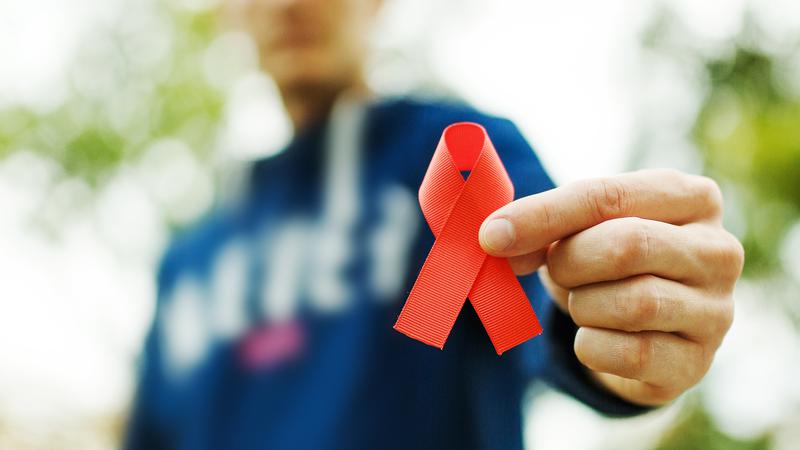
A red ribbon represents World AIDS Day. (Photo 172759084 © Oleksandr Bilyi | Dreamstime.com)
6,500 Canadians undiagnosed

Red Deer groups raise awareness for World Aids Day

Nov 30, 2023 | 9:26 AM

As World AIDS Day arrives again this Dec. 1, it’s estimated that 6,500 Canadians are living with undiagnosed HIV.

That number, from the Public Health Agency of Canada, represents about 10 per cent of all those who are HIV-positive.

For 2023, the Canadian Foundation for AIDS Research (CANFAR) and CATIE, are partnering on an awareness campaign to mark the international observance. World AIDS Day, which started three years prior, notably comes one week after the anniversary of the death of Freddie Mercury (Nov. 24, 1991), who tragically died from AIDS-related illness 33 years ago.

CATIE reminds that Canada has committed to ending AIDS as a global public health threat by 2030, a goal hoped to be achieved alongside a United Nations programme called UNAIDS.

“Canada can reach its goal of eliminating HIV as a public health concern by 2030. A person with HIV on effective treatment can’t pass it on to their partner, but the first step is to get tested,” says Jody Jollimore, executive director, CATIE. “This has now been made easier with HIV self-test kits, which can be ordered online for free anywhere in Canada (selftest.catie.ca). We have all the tools we need to end Canada’s HIV epidemic – we just need to get these tools into the hands of the right people.”

Each day, four more Canadians acquire HIV, Jollimore adds.

Current national data suggests:

  • 18.2 per cent of new HIV cases in Canada are among Indigenous people
  • 22.6 per cent of new HIV cases in Canada are among people who inject drugs
  • 32 per cent of new HIV cases in Canada are among females
  • 33.6 per cent of new HIV cases in Canada are through heterosexual sex
  • 46.6 per cent of new cases in Canada are among GBMSM (Gay, bisexual and other men-who-have-sex-with-men)

“HIV is much more preventable today than it was 30 years ago. HIV-negative people at risk of exposure can take a pill to prevent infection, and people living with HIV on effective treatment can’t pass it on to their partners,” adds Sean Hosein, Science and Medicine Editor at CATIE. “We have so many options – the only thing holding us back from eliminating HIV in Canada is making people aware of these options and giving them free access.”

Self-test kits are available in Red Deer, including at Turning Point (4611 50 Avenue) and Ubuntu-Mobilizing Central Alberta (#400-4808 50 Street).

Reed Charbonneau, executive director, shares that 472 self-test kits were distributed from April 1 to Sept. 30 of this year, throughout central Alberta.

“The theme of World AIDS Day this year is ‘Let Communities Lead’ – with advances in treatment, people living with HIV experience long, healthy lives, and I’m really glad to see new community-lead initiatives taking shape in Red Deer this year,” says Charbonneau. “Unfortunately, people living with HIV who are experiencing homelessness often struggle to get access to care and we see real disparities in health and well-being outcomes as a result.”

Turning Point is hosting a small event at its office to educate unhoused clients about the risks.

“We’ve made lots of strides in connecting people to care and treatment, but there are still gaps where people fall through,” says Erika Bertin, a long-time Turning Point staff member. “Stigma should have no place in health care.”

HIV-related services available at Turning Point:

  • Free safer sex supplies (condoms, insertable condoms, dental dams, lube – available to anyone)
  • Sterile substance use supplies for those who use them, to prevent HIV transmission.
  • Educational offerings at community events.
  • HIV self-test kits (available to anyone)
  • Blood tests (phlebotomy) for HIV for people who have barriers preventing them from accessing clinic-based testing (limited availability)
  • Connections to HIV care in Edmonton or Calgary (referrals, assistance with obtaining blood work, assistance with making and remembering appointments, transportation support, assistance with obtaining income supports, assistance with obtaining ID and health coverage, assistance with obtaining medications)
  • Wrap around supports for people living with HIV who experience severe barriers and vulnerabilities, including supported referrals to services that assist with: basic needs (food, clothing, transportation), housing, mental and physical health care, and substance use disorder recovery programs.

Approximately 10,000 self-test kits have been distributed since the national program launched, with the goal to eventually hit 200,000.

Also happening in Red Deer Dec. 1 is the first Red Ribbon Gala, hosted by an organization called RizeAbove. The event will welcome Alberta MLAs Janis Irwin and David Shepherd as speakers.

Funds raised are in hopes of expanding supports for people living with HIV (PLHIV) in central Alberta.

More information about the event is on Facebook.

A visual look at HIV self-testing