Subscribe to the 100% free rdnewsNOW daily newsletter!
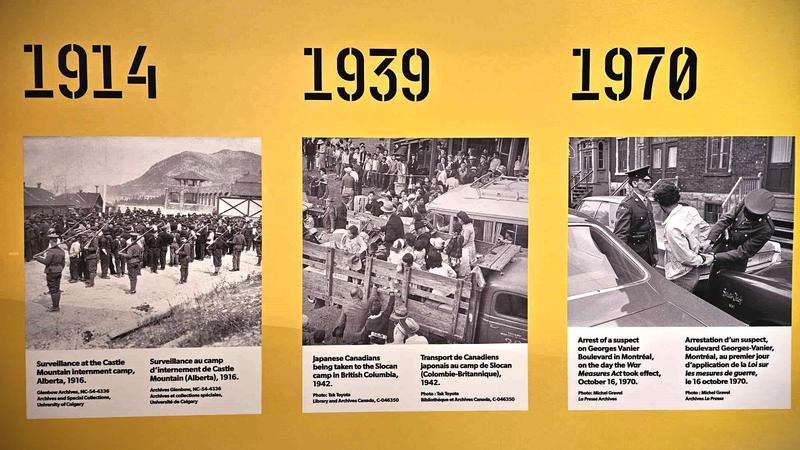
A panel from the Lost Liberties exhibit at the Red Deer Museum + Art Gallery depicting the three times the War Measures Act was invoked.
the internment of thousands

Lost Liberties exhibit at Red Deer Museum examines War Measures Act

Nov 10, 2023 | 3:01 PM

An exhibit at the Red Deer Museum + Art Gallery allows visitors to explore the history of Canada’s War Measures Act, and how it led to the internment of thousands of people.

With Remembrance Day this weekend, Lost Liberties has come to the MAG at an apropos time.

According to the MAG, the travelling exhibition created by the Canadian Museum of History invites onlookers to reflect on the difficult balance between national security and individual liberties.

The War Measures Act has been enacted three times, once during each of the World Wars, and again in 1970 in Quebec during what’s known as the October Crisis.
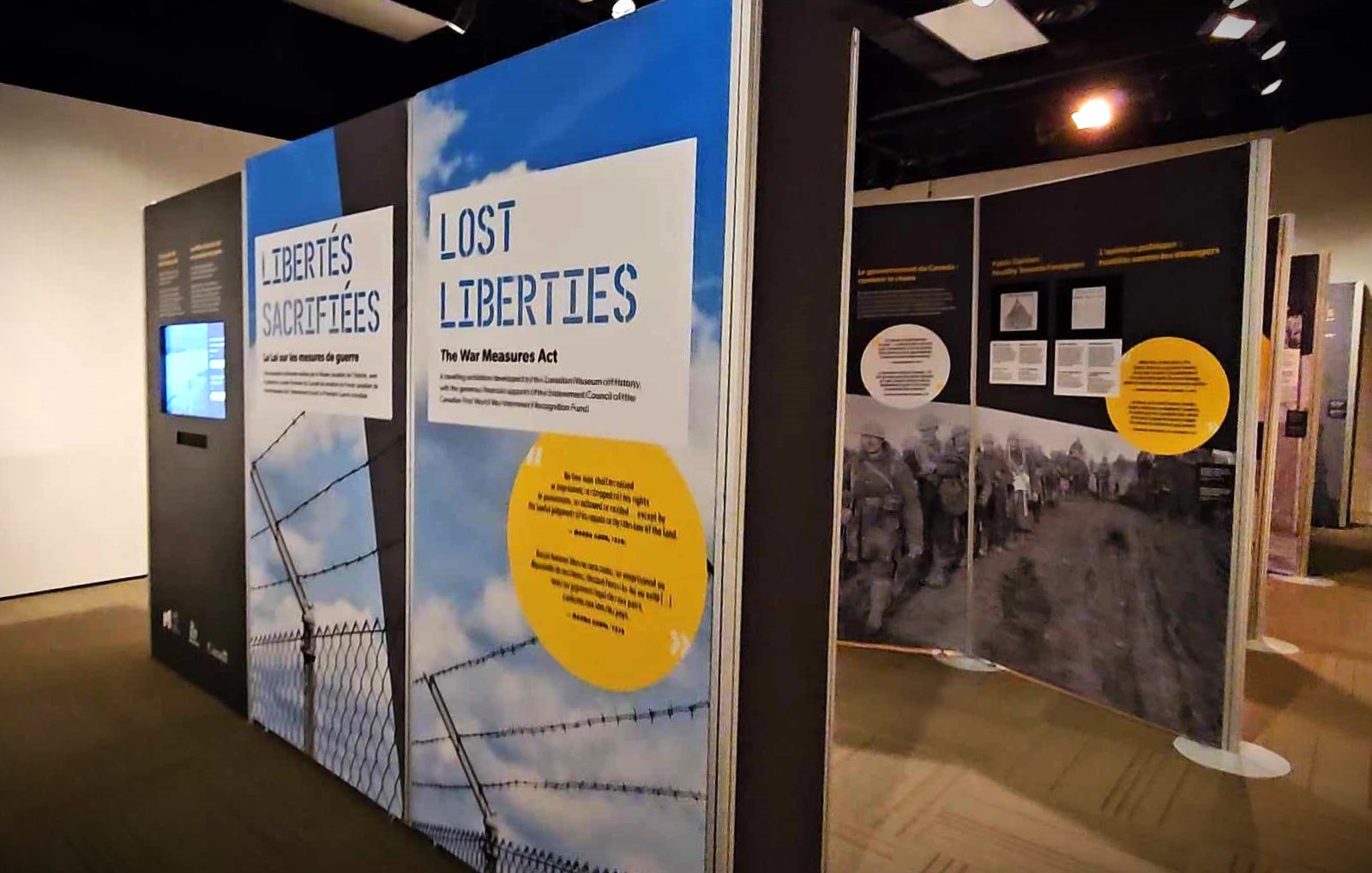
(rdnewsNOW/Josh Hall)

During World War One, the act led to the internment of many Ukrainians and other Europeans, some citizens and some not, living in Canada. During the Second World War, it was primarily Japanese and Italian individuals, and not just the men like it was the first time around.

The October Crisis saw the act invoked to deploy the Armed Forces in the wake of terrorist attacks perpetrated by the Front de libération du Québec (FLQ).

“The people who were put in internment were automatically declared enemy aliens,” says Kim Verrier, MAG exhibitions coordinator. “Some were already multiple generations in Canada, born and raised here. Their properties were seized and sold.”

Many Japanese were also mass deported when the war concluded.

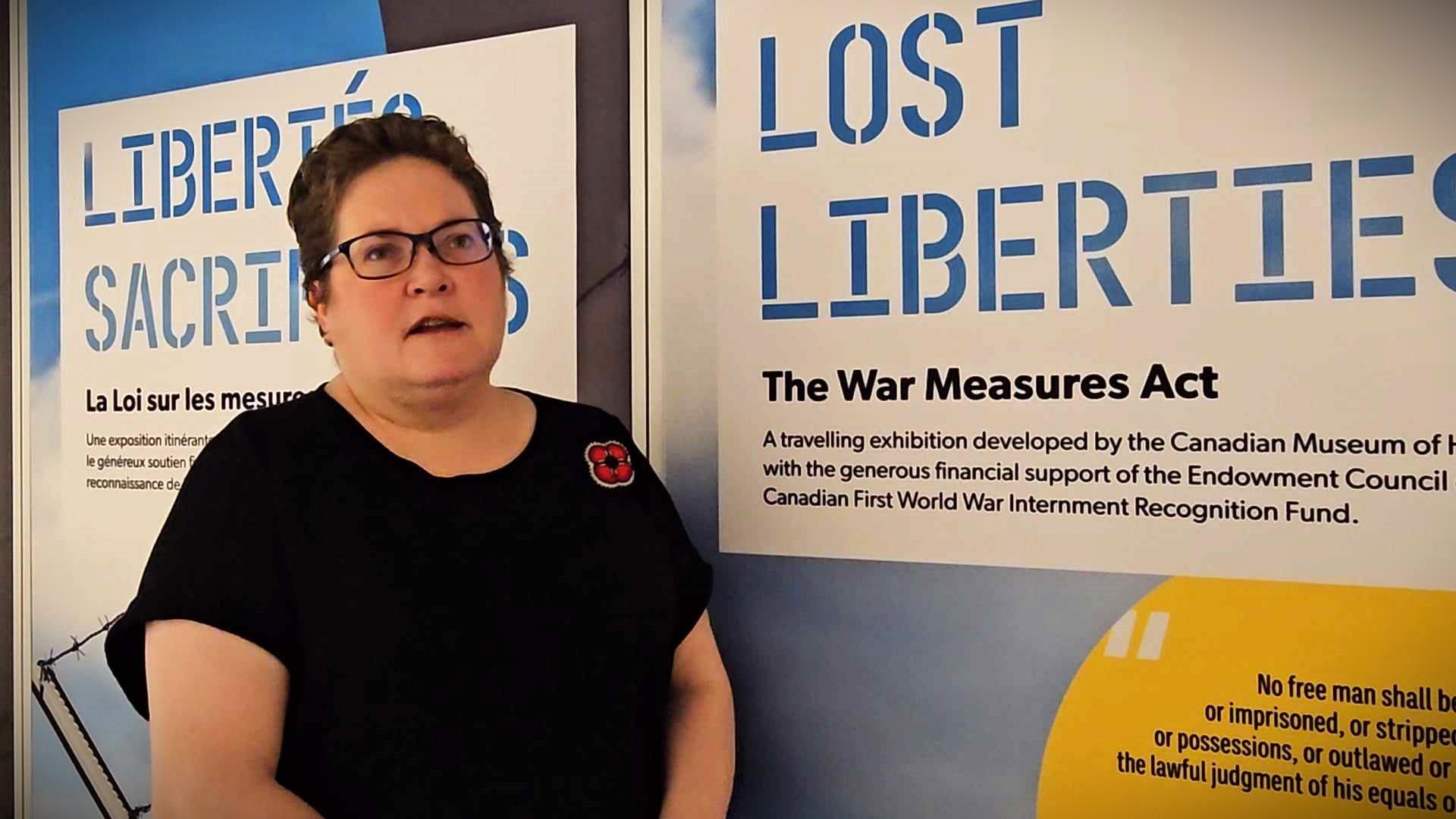
Kim Verrier, exhibitions coordinator at the Red Deer Museum + Art Gallery. (rdnewsNOW)

Redress, or compensation, for Ukrainians and other Europeans never came, save for public awareness and historical marker efforts undertaken in the early 90s, and then a private member’s bill to provide for commemoration and education in 2005.

In 1988, an apology and compensation was made available to Japanese individuals who were interned.

Prime Minister Brian Mulroney offered an apology to Italians in Canada in 1990, as did Prime Minister Justin Trudeau in 2021.

READ MORE

Previously, from 2008 to 2013, the Canadian Government, through the Community Historical Recognition Program, made $5 million available in grants and contributions for eligible projects to commemorate and recognize the experiences of the Italian Canadian community in relation to the Second World War internment in Canada.

In 2020, the House of Commons refused to apologize for invoking the War Measures Act in 1970.

The War Measures Act was also repealed in 1988, making way for the Emergencies Act, which was controversially invoked for the first time in 2022 to quell anti-government protests sparked in opposition to COVID-19 public health measures.

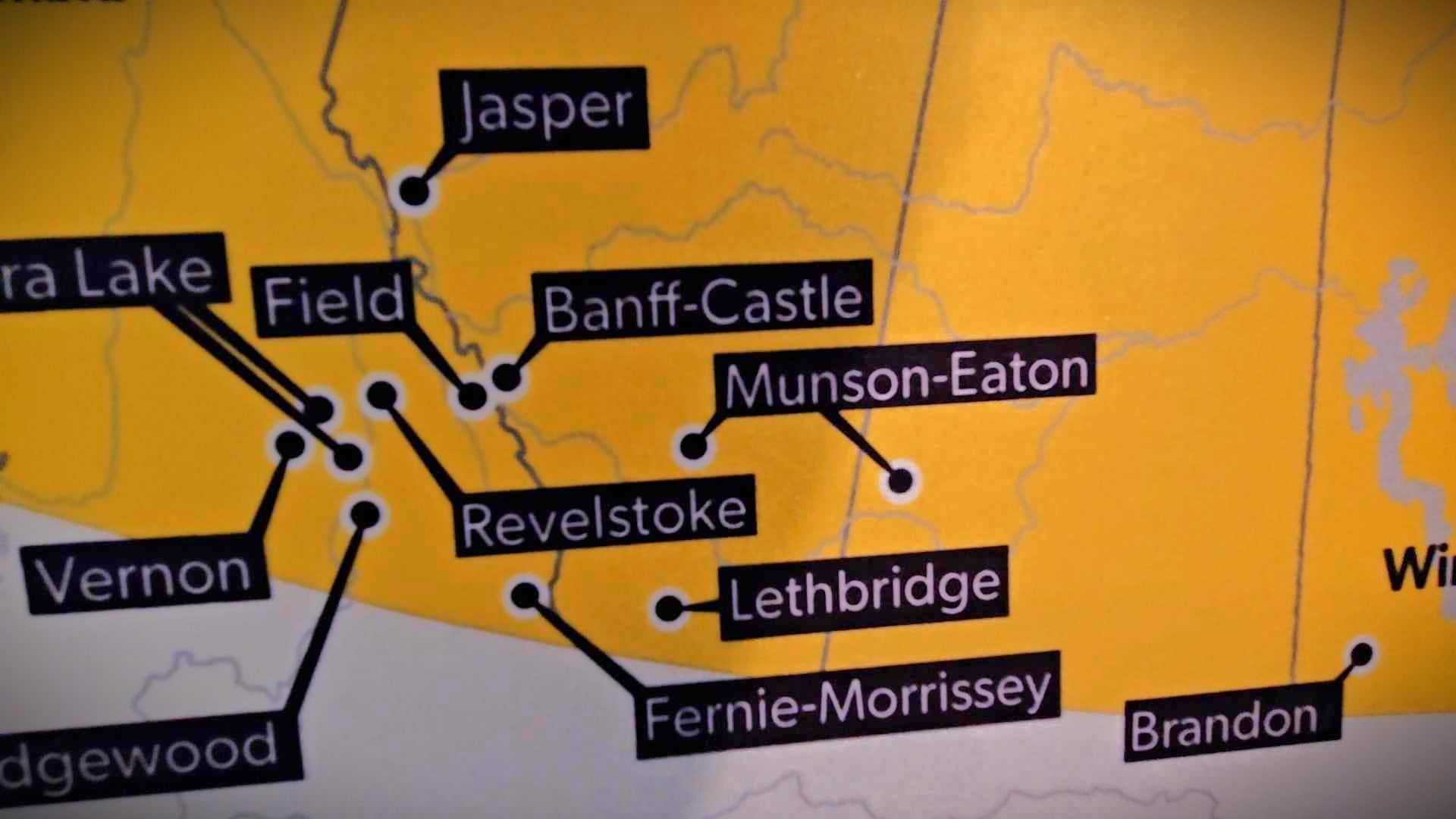
A map in the Lost Liberties exhibit shows where a number of internment camps were located in western Canada. (rdnewsNOW)

“We can’t go back to those stages when the War Measures Act was invoked, but we can ask now how could we have handled things differently,” Verrier adds, reflecting on the exhibit.

There were many camps across Canada, the closest being in Munson, north of Drumheller. There were also camps in Banff, Lethbridge and Jasper.

Lost Liberties is on until Jan. 7, 2024 at the Red Deer Museum + Art Gallery (4525-47A Avenue). Hours are 10 a.m. to 4:30 p.m. on Monday, Tuesday, Thursday and Saturday, and 10 a.m. to 8 p.m. on Wednesday and Friday. Sunday and on holidays, the museum is closed, though it is open Remembrance Day from 12-4:30 p.m.

The MAG is hosting a Remembrance Day program, with this weekend’s MAGSaturdays class devoted to the observance. Free to attend, participants of the “Poppies in a Field” class can paint a field filled with drawn poppies at 1 p.m.

As well, the Red Deer Symphony Orchestra perform a free Remembrance Day Tribute at 2 p.m. at the museum. Attendees are asked to pre-register as there is limited seating.