Get the free daily rdnewsNOW newsletter by subscribing here!
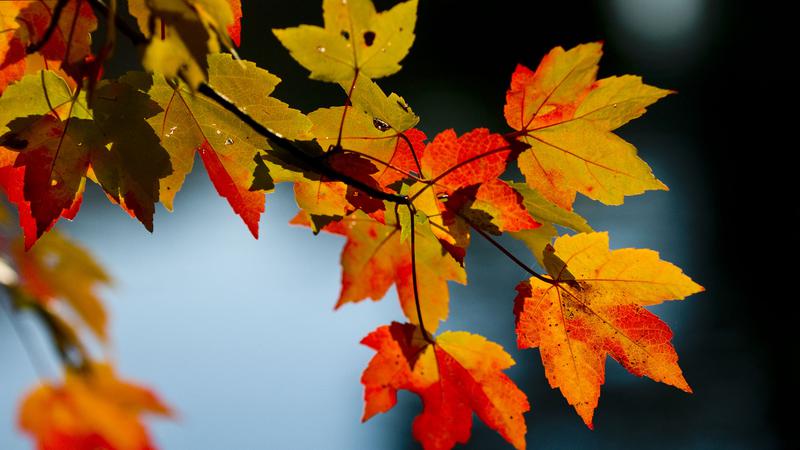
Photo 3598627 © David Park | Dreamstime.com
Third hottest August in 110 years

Warmer fall season expected for Red Deer after a record hot summer

Sep 22, 2022 | 11:11 AM

Central Albertans are being welcomed into the fall with a warmer than normal forecast for the season.

According to Kyle Fougère, Meteorologist for Environment and Climate Change Canada, the fall season in Red Deer will bring warmer than normal temperatures and normal precipitation levels.

Red Deer’s meteorological summer, which includes the entire months of June, July and August rather than the solstice summer date of June 21, was hotter than average, he says.

In Alberta, Fougère describes it as “a tale of two summers”.

“It started off quite wet and cold especially in the month of June where the Red Deer area, actually all of the province, we were under the influence of a low-pressure system and it was consistently raining and cooler,” he said.

“Then right around after the first week of July, we had a real change in the weather pattern where we were then seeing a nice ridge of high pressure persistent for the rest of the summer and it was actually dryer and warmer than normal.”

He explains the cold start to the season was likely a result of a meteorological theory called La Niña. The phenomenon, he says, is caused when the area near the eastern Pacific equator experiences cold temperatures. According to AccuWeather, the cooler sea temperatures then increase the northern jet stream, controlling the direction of storms, impacting Western Canada.

Fougère says the pattern shifted mid-summer as the influence of La Niña wore off. Temperatures in the Red Deer area became hotter and dryer, recording the seventh hottest summer in a 110-year record. It was also the third hottest August on record, with the highest temperatures ever in 1971.

“Looking at all of the stations that we do our climatology stats, every single one of them was in the top 10 in Alberta for top 10 warmest summers on record and Edmonton and Grande Prairie actually had their warmest August ever recorded. It was obviously a very a hot end to the summer,” he said.

That heat carried over into the meteorological fall which includes the full months of September, October and November rather than the fall solstice of September 22.

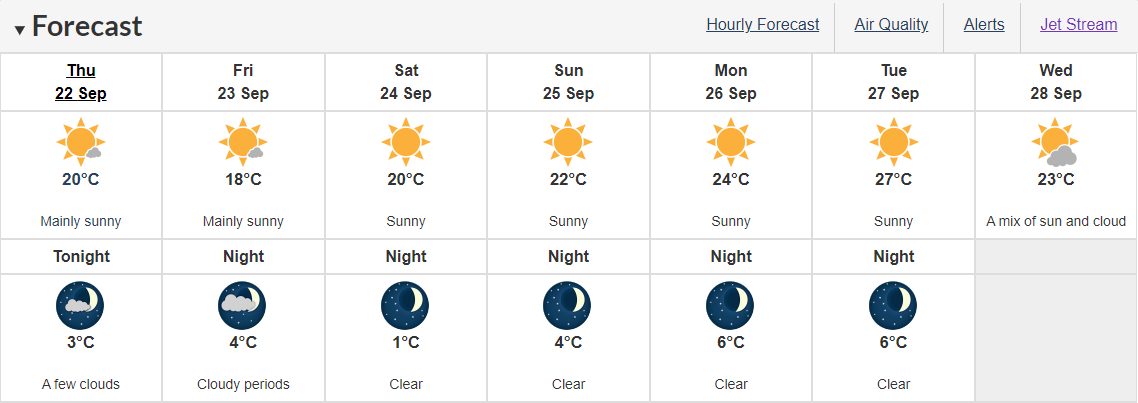
While temperatures will naturally become cooler due to the conditions of the season, Fougère says, overall, Red Deer’s fall will be warmer, with temperatures next week in the high-teens to low-20s. He confirms no snow is expected in the near future until the usual forecast of mid-October.

Weekly weather forecast for Red Deer from Environment Canada. (Environment Canada)

However, he states meteorologists will be paying close attention to La Niña’s development over the fall as its biggest effects in Alberta are during the winter season. As well, he says Red Deer and central Alberta are uniquely influenced climatologically by their eastern placement of the Rocky Mountains.

“If you get a westerly wind that goes down the mountain slopes, into what we call a Chinook, it can bring really warm weather but what we often see is these artic air outbreaks where you have a low pressure system move through the province and then you can have air from up in the Northwest Territories flood down over the province and it can’t move to the west because of the mountains so it just comes straight down the province and that’s why we get these cold air outbreaks in central Alberta that we don’t see in other places,” he said.

For more weather information, visit the Environment Canada website.