Subscribe to the 100% free rdnewsNOW daily newsletter!
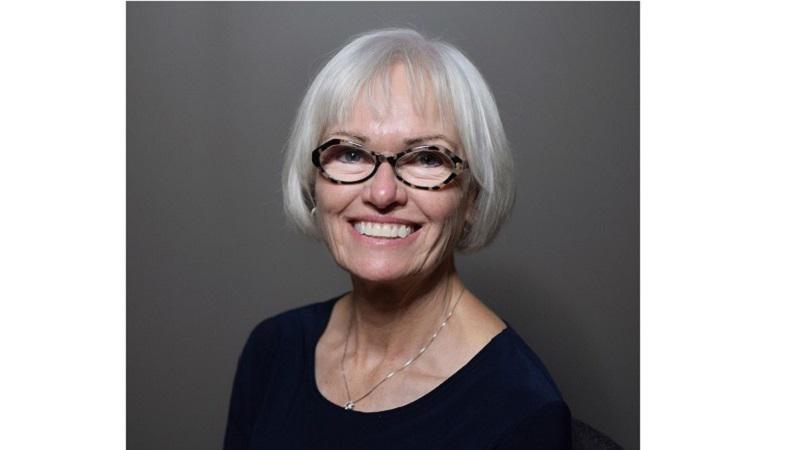
Reeve Barb Shepherd of Lacombe County Division 3 says the year has gone fairly well for the county, despite the challenges presented by the current pandemic. (Lacombe County)
A year-end interview with Reeve Barb Shepherd

Business as usual for Lacombe County in 2021

Jan 5, 2022 | 12:42 PM

For Lacombe County, 2021 was largely business as usual, if not more, according to Reeve Barb Shepherd, of Division 3.

“In the planning department, we ended up with over $90 million in estimated construction value which was more than double what it was in 2020,” she said. “That’s good news for us.”

That’s not the only good news resulting from the pandemic, says Shepherd.

This summer, council took on opportunities to extend wastewater lines, one being around the north end of Sylvan Lake where Qualico Communities, a real estate company, has owned land in the area for several years. Untouched due to a lack of wastewater services, they now intend to develop there due to a rising demand and trend.

“We all know that lots of Albertans go down to Arizona and other places for the winter but with COVID, the way it was, some people decided to come back home and so there’s been a demand for recreational properties across the province,” says Reeve Shepherd.

The biggest challenges for the county this year, she says, were the unpaid taxes from oil and gas properties and increasing policing costs.

“That of course has impacted us considerably to the tune of more than a million bucks a year,” she notes about the loss in property taxes.

In February, a report by the Rural Municipalities of Alberta showed the oil and gas industry owed $425 million in unpaid taxes to 69 municipalities, most of them in rural Alberta.

Fortunately for Lacombe County, the reserves accumulated over the years by previous councils allowed them to not depend on the tax income from the oil and gas industry. Financially in a good position, the County has remained afloat in road and bridge maintenance costs, the biggest portion of its budget, shares Shepherd.

Regarding police services, small and rural communities previously did not have to pay policing costs until a new policy was imposed by the provincial government in 2020. Communities now have to contribute 10 per cent of their policing costs, increasing each year until reaching 30 per cent by 2023.

“We’re now starting to pay for things that we weren’t paying for before,” says Shepherd.

Looking forward, the County’s top focus is on the government’s policing plans to either stay with the RCMP or create its own provincial police force.

According to a recent report, current RCMP costs in Alberta are $672 million per year, with $318 million covered by the province, $176 million by municipalities and $170 million by the federal government. If Alberta were to move to a provincially run department, federal funding would cease and the new total cost for policing would be around $747 million, with a transition cost of $366 million over a six-year term.

From January to March, the province will be in consultation with communities for their opinions, and Reeve Shepherd hopes their voices in support of staying with the status quo are heard.

“When you consider the logistics from moving from the RCMP to a provincial police force, it sort of makes me dizzy to think about just how complicated an issue that could be and how much it could cost,” admits Shepherd.

Despite it all, however, the year has gone well, says Shepherd, pointing out there’s also been more collaboration between Lacombe County and the City of Lacombe.

The two municipalities recently discussed the Lacombe Athletic Park’s request for a $2.5 million expansion to include a world class running track, with a joint follow-up meeting scheduled for early January.

Similar requests are planned to be considered in joint meetings going forward in the new year, says Shepherd, adding things are going well for the County.

“I’ve been on council eight years and in the last, I’m going to say four or five years, I’ve been getting fewer and fewer complaints from ratepayers on things that are happening or not happening in their view,” she said.

“My goal for us is to have continuous good services and keep our taxes at a rate that are sustainable, for not just the county but for the ratepayer as well.”