Get the free daily rdnewsNOW newsletter by subscribing here!
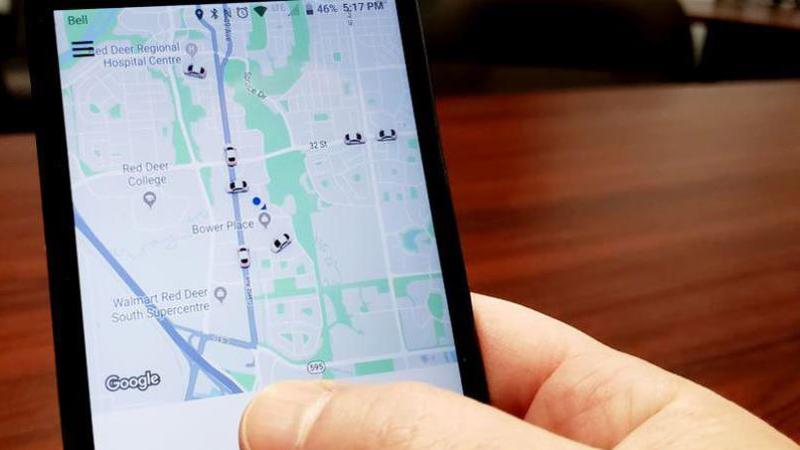
(rdnewsNOW file photo)
UBER AGREES RULES ARE STRICT

Changes to “onerous” rideshare regulations irk Red Deer Uber driver

Dec 30, 2021 | 6:00 AM

Recent changes to Red Deer’s vehicle for hire regulations aren’t sitting well with a local Uber driver.

The driver, who wishes to remain anonymous for fear of backlash or reprisal, and whom we’ll refer to as John, has worked for the rideshare company since it entered Red Deer in 2017.

This summer, The City of Red Deer brought Uber licensing in-house, under the revamped Vehicle for Hire Bylaw. Rideshare licensing was previously done provincially, with taxi companies regulated by the municipality.

The City tells rdnewsNOW the change was made to ensure consistency across local industry, thereby increasing safety – a key component of public and stakeholder feedback.

“We’re not preventing anyone from operating. Uber drivers must provide us with the same information required under the provincial model. We were in communication with Uber well in advance of the Sept. 1 implementation so that anyone missing that info could provide it before that date,” says Amy Fengstad, the City’s parking and licensing supervisor.

What’s mandatory, she notes, is a criminal record check, vehicle inspection, and driver’s abstract.

“This was important to implement as there was no regulatory body reviewing criminal record checks and driver abstracts for Uber drivers. Essentially, Uber was self-policing with random spot audits from the province.”

Safety was the number one priority identified during consultations, ranging from an initial regional survey (336 participants) in summer 2017, focus groups in 2018, then ride-alongs, stakeholder interviews and an online survey.

The City and RCMP don’t have information on violent incidents involving customers and drivers, but note safety strongly relates to vehicle-readiness.

With no criminal record himself, John claims municipal licensing hinders his ability to drive.

Provincially licensed, John could operate in other markets where Uber runs, namely Calgary and Edmonton.

John would take his vehicle to the larger cities twice weekly to earn more money.

“My issue is with the licensing changes, not safety, which is what the City is using to justify its changes. The City also shouldn’t allow one taxi company, who has taken issue with Uber since it started here,” says John, referring to Associated Cab and Alberta Gold being co-owned.

“The taxi company doesn’t like that Uber’s taken some of their business.”

Fengstad denies lobbying by the heavily regulated taxi industry, but admits reps did express concerns with regulatory inequities.

A post-secondary graduate, John’s lucky to make $50 daily driving in Red Deer. Since the changes, he’s temporarily resorted to working a Monday-Friday security job, then driving for Uber in Calgary on weekends.

Driving there each day isn’t viable thanks to gas prices.

“I can’t find a job in my field. Now with the Uber issues, my wife and I are thinking of moving to a larger city where I’m likelier to find a meaningful, permanent job to support my family,” says John, who has moved to Edmonton since our interview. “We’re tax-paying citizens too. You’d think the City would want us here.”

John paid $100 for a Red Deer license, but Uber permits drivers the option, he explains, of which license to upload.

He also claims to have never heard of the changes until they happened. The City denies responsibility for that, saying it’s Uber’s job. Uber says it notified drivers twice, letting them know the necessary steps.

Laura Miller, Uber’s head of public policy, says Red Deer has the most onerous requirements for a city of its size in Alberta.

“At a time when the world is digitizing and in the midst of the pandemic, establishing in-person processes is quite challenging for potential drivers, especially those who may have responsibilities during normal business hours. It’s also worth noting that Red Deer’s fees are currently 2.5x higher than similarly sized Alberta municipalities,” Miller says.

“Ultimately, high fees and increased red tape can discourage others, whether established global players or new local start-ups, from entering the market, which limits competition and consumer choice. We encourage policymakers to look at the needs of today’s rideshare users — riders and drivers alike — and create rules tailored to this modern industry.”

Miller emphasizes taxis and ridesharing are different industries, and reiterates Uber’s commitment to safety, regardless of licensing processes.

Measures include repeated driver screenings, an in-app emergency button, phone number anonymization, law enforcement engagement, and COVID measures.

A recent internal survey by Uber found 80 per cent of Canadian drivers and delivery people were very or somewhat satisfied with their experience, including benefits.

“Our bylaw is closely aligned with Calgary’s model, however both Edmonton and Calgary do not have individual Driver for Hire Licenses for Transportation Network Drivers. In these two cities, they have a TNC Broker License that is based on the number of drivers at certain points in time. Here, we kept the Brokerage fees lower and included a Driver for Hire fee to accommodate differing operational models,” explains Fengstad.

“Again, this was around fairness and consistency between the traditional Taxi and Limo/Sedan Service and the new Transportation Network Companies (Uber) and Designated Driver Services, all of which transport passengers who may be in a vulnerable state.”

The taxi company, Uber, two limo companies, RCMP and MADD were consulted on the new bylaw.

“Citizens can find comfort in knowing that any Driver for Hire in Red Deer has been screened and vetted through administrative processes which weren’t happening prior.”

The new Vehicle for Hire Bylaw is said to commit to better reporting of safety incidents.