Subscribe to the 100% free rdnewsNOW daily newsletter!
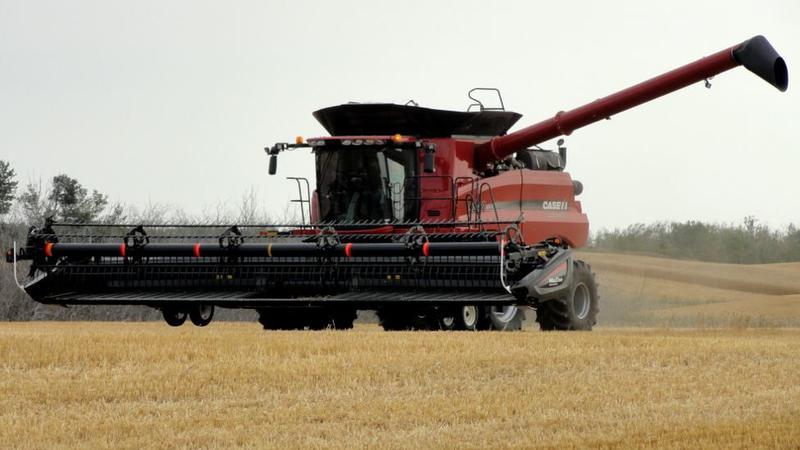
(file photo: farmnewsNOW)
Warmer Than Normal Fall

Red Deer experiences driest fall on record

Dec 23, 2021 | 9:00 AM

It was a warmer than normal fall throughout central Alberta this year, and also the driest on record.

That according to Kyle Fougere, Meteorologist with Environment and Climate Change Canada, who says it wasn’t particularly hot or saw any temperature records set, but notes temperatures were often above average.

“Especially in the month of November, there were only a couple of days that were below normal, whereas almost the entire month was quite a bit above normal,” he shares.

Looking at the mean temperatures – averaging the highs and lows throughout September, October, and November, Fougere says there was a mean temperature of 4.8 degrees Celsius, compared to a normal of 2.9 degrees. He says that makes it the 19th warmest fall that Red Deer has experienced in over 104 years of data.

“We did start to get the below normal temperatures here in December,” he explains. “But looking back at precipitation for the fall, Red Deer received only 11.7 mm through the three fall months of September, October, November, compared to a normal of 87.3 (mm), so only 13 per cent of its normal precipitation this fall, which made it the driest fall on record in Red Deer.”

December has also continued dry, according to Fougere. He says Red Deer has received only 3.7 mm of precipitation thus far this month, compared to an average of 12.3 mm.

“But we are expecting snow for the rest of the month with this cold air that’s going to come down and there will likely be some snow in the Red Deer area,” he points out. “We have a low pressure system that’s developing that’s starting to bring precipitation to a lot of Alberta. What’s going to happen when this moves east is it’s going to drag in some cold arctic air, so we’re going to see a real change in the weather over the next couple of days.”

By Christmas Day, Fougere anticipates daytime lows to approach -30 degrees Celsius and last for several days.

“When these arctic air masses lock into place, they’re really difficult to move, so for the rest of this month, it’s going to be well below normal,” warns Fougere.

So cold, in fact, he describes them as ‘dangerously cold temperatures’, especially next week.

“It’s something people should prepare for and if people are going to be travelling, we really want to make sure that they’re aware that it’s going to be extremely cold and they should really take precautions to protect themselves from that cold,” he suggests.

“But when looking at the three months as a whole (December, January, February), we do expect that for most of Alberta, it’s going to be above normal for precipitation, but unfortunately, colder than normal.”