Subscribe to the 100% free rdnewsNOW daily newsletter!
(Dreamstime)
learning opportunity

House fire in Penhold shines light on carbon monoxide safety

Jul 29, 2021 | 1:25 PM

Luckily, no one was hurt after a house fire in Penhold’s Hawkridge area early Wednesday morning.

However, the blaze is putting a spotlight on carbon monoxide education and safety.

Crew members from Penhold Fire Department responded at about 2:40 a.m to a structure fire at a home.

“We arrived to find a small amount of smoke showing at the front entrance,” said Fire Lieutenant Max Johnston. “After a quick 360 degree safety check, crews entered and began an offensive search, rescue, fire control strategy.”

In the process, members discovered various hazardous gases, including carbon monoxide (CO). They say the CO and fire were caused by a failed sump pump.

Known as ‘the silent killer,’ carbon monoxide is colourless, tasteless and odorless, and does not take long to become fatal, says Sean Pendergast, Deputy Fire Chief.

“CO fumes can come from heaters, furnaces, boilers, fireplaces (both gas and wood-burning), vehicles in a garage, some power tools, and it’s also a byproduct of combustion,” he explains. “Some appliances that go without repairs and maintenance for too long can break down, and when that happens, you can have an electrical fire, or a misfire with gas, and the byproduct not exiting the house properly.”

The most common is furnaces, Pendergast says, adding that it’s as simple as doing your due diligence in the fall.

“Usually in the fall when people fire furnaces back up after they haven’t been running for the summer, there’s build-up in the vents and light combustion happens or gas misfires,” he says. “When you go to fire it up, try to have a CO detector in your furnace room.

The sump pump in this case, he says, had a failure and some oil leaked out. This caused the machine to overheat, resulting in it emitting some gas and smoke.

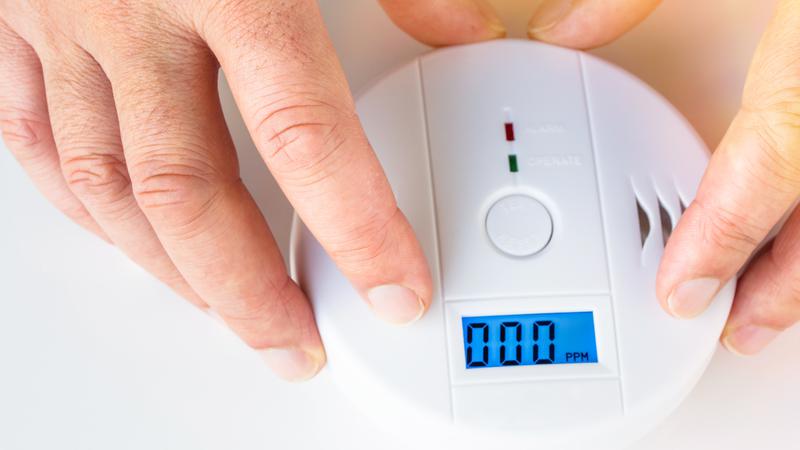
“Carbon monoxide detectors will save your life. If there’s a CO event where gas is being released, a working detector will alert you and you can evacuate,” Pendergast adds. “It’s something that kills Canadians every year. You won’t smell it and it will asphyxiate you quite quickly.”

Low concentration of carbon monoxide can cause dizziness/confusion, headaches, and chest pain. High concentrations can cause loss of consciousness, coma and death.

According to a 2017 report by the University of the Fraser Valley, more than 300 Canadians die from CO-related issues each year, and more than 200 people are hospitalized.

Learn more about carbon monoxide safety at canada.ca.