Subscribe to the 100% free rdnewsNOW daily newsletter!
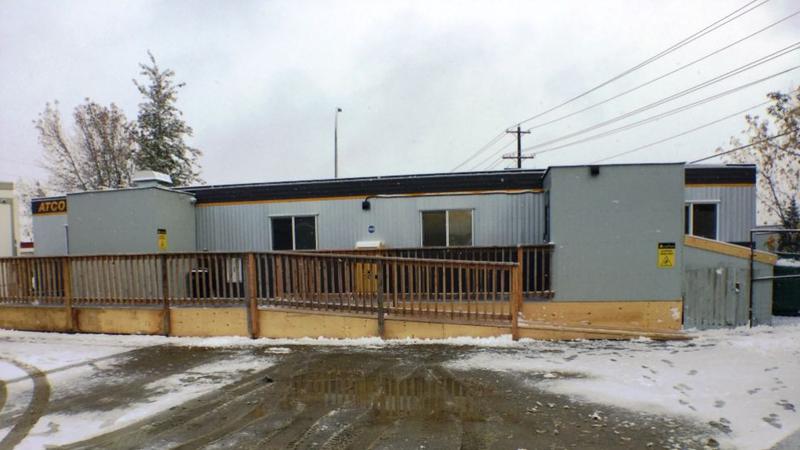
Red Deer's temporary Overdose Prevention Site. (rdnewsNOW file photo)
time ticking away

Turning Point officials optimistic for OPS funding extension

Mar 8, 2021 | 9:27 AM

Officials with Red Deer’s temporary Overdose Prevention Site (OPS) are hopeful their provincial funding will continue past the end of the government’s budget cycle on March 31.

Sarah Fleck, clinical manager at Turning Point, which operates the OPS, says discussions haven’t yet taken place with Alberta Health regarding the possible extension of their current contract.

“We’re very optimistic just based on the unfortunately rising death toll related to opioids, and also due to the work that we’re doing related to COVID-19 and prevention of that in the community,” says Fleck. “I think that because the work we’re doing has shown a lot of impact and has shown a lot of results, we’re optimistic that Alberta Health will continue to fund it because we are providing an essential role right now.”

Fleck admits uncertainty does cause anxiety in terms of not officially knowing if their contract will be extended.

“It’s difficult for the staff and clients, but we’ve all talked about trusting the process that’s gotten us this far and knowing we are making a positive impact in our community. That’s what we’re hanging on to until we hear differently,” she adds.

The Red Deer OPS currently operates on a six-month funding cycle, last extended in Sept. 2020.

Kassandra Kitz, press secretary for the Associate Minister of Mental Health & Addiction, says as with all other grant agreements, operating grants for supervised consumption sites end with the provincial budget cycle, and may be extended as part of the budgeting process.

“All supervised consumption sites remain fully funded in Alberta. We are committed to making decisions on supervised consumption sites considerate of local needs and realities on a city-by-city basis,” says Kitz in a statement to rdnewsNOW.

Fleck notes that so far this year, Red Deer is second in the province for fentanyl-related deaths, behind only Lethbridge.

“This is a very unfortunate place to be after having a decreasing rate for a while,” she laments. “The rates we’re sitting at now, per 100,000 people, is actually higher than it has ever been. That’s problematic for many reasons and we really truly believe the pandemic is having some impact on that.”

Fleck says many clients already living with vulnerabilities have fewer connections, and less services they’re able to access under the circumstances.

“There are a lot of different things, including the stigma attached to substance use,” she explains. “It’s not just people at the shelter who are accessing the OPS, it’s people in all postal codes and all demographics that are dying of fentanyl overdoses.”

Fleck says Red Deer’s OPS, however, is still operating at half-capacity during the pandemic.

“Even with declines and working at half-capacity, we’re still seeing some of our largest overdose numbers to date,” she points out. “We had one week last month where we had 38 overdoses, and in February, we had 123 overdoses (all reversed), which is a really substantial number, considering we’re operating at half-capacity.”

Eventually though, Fleck hopes to someday see Red Deer secure more permanent Supervised Consumption Services (SCS).

“Right now in our trailer, we are providing essential overdose response, we’re also doing rapid COVID swabbing and we’re referring to isolation and supporting clients who are isolated,” Fleck concludes. “We know that if we had a bigger space, we would be able to provide different supports. Some of the very key supports would be accessing opioid agonist therapy right on-site, having physicians on-site, and having addictions and mental health supports on-site.”