Subscribe to the 100% free rdnewsNOW daily newsletter!
you can do it from home

Great Backyard Bird Count goes this weekend

Feb 10, 2021 | 2:23 PM

During the ongoing COVID-19 restrictions, people are often looking for fun things to do and learn. If you need some inspiration for the coming long weekend, the Nature Conservancy of Canada (NCC) is sharing an idea.

The 24th annual Great Backyard Bird Count (GBBC) is happening from February 12 to 15. People across Canada and around the globe are invited to count the birds they see during at least a 15-minute period on one or more days of the count, and then enter their findings on the GBBC website.

The event is administered by the Cornell Lab of Ornithology, National Audubon Society and Birds Canada. The annual GBBC is a great way to enjoy the outdoors and connect with nature, while respecting COVID-19 public health guidelines. NCC staff will be participating in different parts of the country. NCC biologist Leta Pezderic says it is an opportunity to get involved in community science and be a part of something bigger in contributing to a global effort to collect new data on bird populations.

The count is a snapshot of what is happening with birds in terms of population, migration and range. Last year, participants in over 100 countries identified about 7,000 different bird species.

Pezderic says each participant chooses a location to count birds. Counting can be done while looking out a window, from outside in a backyard or in a nearby park or other outdoor spaces — essentially anywhere birds are. Participants can have any level of birding experience. It’s family friendly and a great way to spend time with household members.

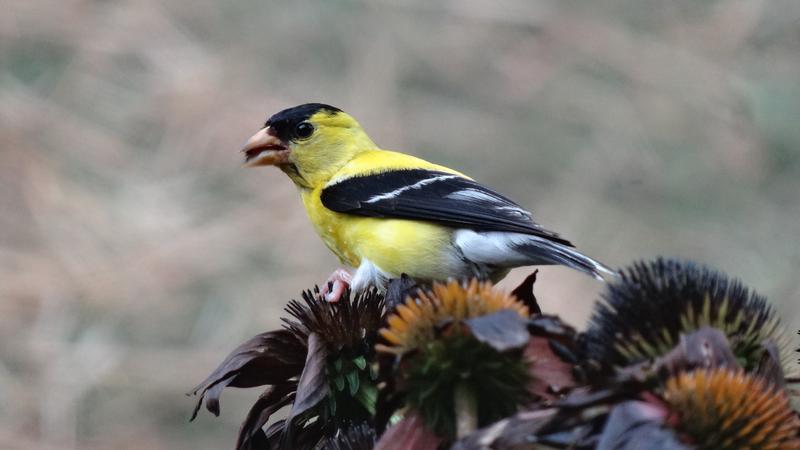
“People may be able to see many species of birds in their backyard or their community,” says Pezderic. ”Black-capped chickadees, red-breasted and white-breasted nuthatches, American goldfinches, purple finches and northern flickers may be seen around backyard feeders. Several species that visit only in the winter, such as pine grosbeaks, bohemian waxwings and common redpolls, may also be seen. If you can safely view a body of water from your backyard or neighbourhood, keep an eye out for mallards, bufflehead ducks, common goldeneyes and common mergansers.”

For instructions and a step-by-step guide, visit birdcount.org/participate. Pezderic says that thanks to the data that participants submit to the Cornell lab of Ornithology’s eBird platform, it adds to species counts from around the world.

NCC says the GBBC is also a time to think about the alarming decline in bird populations and their habitats here in Canada and around the world. In the 2019 State of Canada’s Birds report, Canada lost 40 to 60 per cent of shorebirds, grassland birds and aerial insectivores (birds that feed on insects while flying, such as swallows). A North American study revealed that nearly three billion birds have disappeared since 1970.

(media release)