Subscribe to the 100% free rdnewsNOW daily newsletter!
(Photo: Government of Alberta)
top doc cites "Overwhelming” evidence

Dr. Hinshaw says COVID-19 vaccines safe and effective

Dec 16, 2020 | 4:32 PM

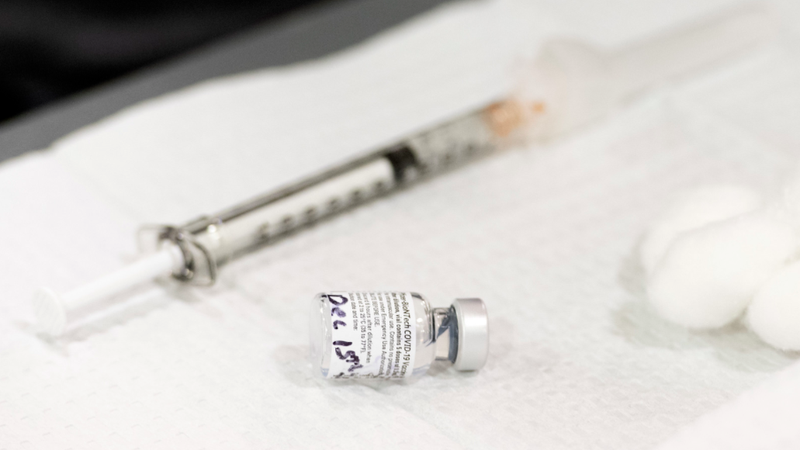
Alberta’s chief medical officer of health is insisting that the COVID-19 vaccine now beind delivered in the province is safe despite the short amount of time it took to develop and approve.

Dr. Deena Hinshaw said Wednesday that it is “incredible” to think that, within a year of the virus being discovered, there is already a vaccine that has been proven to be 95 per cent effective.

The first doses of Pfizer’s vaccine were administered in Alberta on Tuesday to health workers in Calgary and Edmonton.

Dr. Hinshaw said she understands that there is always worry about the effectiveness and safety of new vaccines, especially when they are done in a shorter amount of time, but states that Canadians should not be afraid.

“It’s important to remember that Canada has one of the most robust regulatory systems for new vaccines in the world. Health Canada moved quickly through the approval processes, but no steps were skipped. The same rigorous testing and scrutiny was applied to this vaccine as any new treatment.”

“A clinical trial with tens of thousands of participants from multiple countries found no safety concerns.”

However, the Pfizer vaccine has yet to be approved for people under the age of 16 as there have not been sufficient clinical trials completed amongst this group.

Albertans can expect the Moderna COVID-19 vaccine shortly as well, but it has not been approved by Health Canada.

In the weeks and months ahead, Hinshaw says officials will be looking extremely closely for any adverse side effects of the shots and will be able to act quickly if any develop.

“I believe the benefits of vaccines far outweigh the risks and this vaccine will save lives. There is overwhelming scientific evidence that vaccination is the best defense against serious infections.”

The first doses of Alberta’s COVID-19 vaccines have been reserved for healthcare workers including nurses, ICU, long-term care centres, and respiratory therapists.

In Phase 1, which will begin in the first quarter of 2021, Dr. Hinshaw says inoculations will go to long-term care residents and staff, healthcare workers serving high-risk populations, and people over the age of 75.

Phase 2, starting likely in April, will include first responders and front line professionals. She says it has yet to be determined exactly which groups will be part of the second phase.

(Lethbridge News Now)