Subscribe to the 100% free rdnewsNOW daily newsletter!
important Discussions

Local poverty reduction conversation continues virtually during pandemic

Oct 16, 2020 | 2:45 PM

October 17 marks the International Day for the Eradication of Poverty, and local officials are encouraging central Albertans to think about their neighbours and friends during these difficult times.

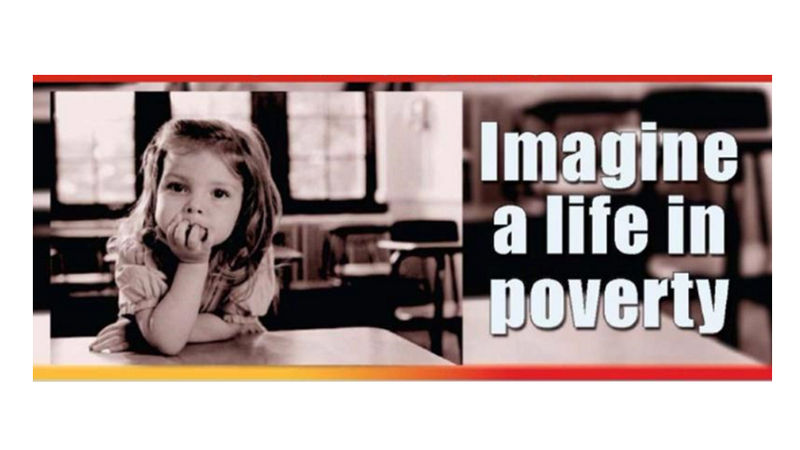
For the past six years, the Central Alberta Poverty Reduction Alliance (CAPRA) and Welcoming and Inclusive Communities Network (WIC) has teamed up with United Way of Central Alberta to host a poverty simulation at Festival Hall in hopes of creating a better understanding and awareness of what challenges our city’s less fortunate face each and every day.

However, Lori Jack, community impact officer with United Way of Central Alberta says the COVID-19 pandemic has forced them to abandon their annual poverty simulation this year.

“Some of what we’re doing at United Way has been doing virtual poverty conversations with some of our workplaces as they start their workplace campaigns,” she explains. “And we’re talking a lot about what poverty looked like before the pandemic hit and how many more people we anticipate are in a precarious state, now that we’re in this state of health that we are at this moment in time.”

Jack says the impact of COVID-19 on poverty in our community depends on what people were eligible for in terms of government support.

“Some might have fared better because CERB (Canada Emergency Response Benefit) was more than what they might have made in the job that they were holding, but that money too has dried up,” she points out. “And for those that didn’t have work because work had dried up but maybe hadn’t earned a lot, they’re draining their savings and that’s costly too. We anticipate there’s a lot more people in a precarious state financially.”

Jack notes a large number of small businesses in Red Deer as also being in a potentially precarious situation.

“You know, mom and pop shops that were closed for a period of time and then may have opened. But now they’re doing so much more cleaning and other things. It just takes away from their ultimate income that they’re trying to make in the workplace.”

Of further interest, according to Jack, are community discussions around racism and what impact racism can have on local poverty rates.

“The root of poverty for some of the more racialized community is racism,” suggests Jack. “That’s what’s preventing them from being more gainfully employed and in a better position to make their costs and expenses in a month. So combatting racism is a significant piece we’re dealing with in addressing poverty in our communities.”

Jack says what we’re learning in terms of mental health and isolation are other areas of enlightenment when it comes to poverty rates.

“Maybe when the pandemic is over and we’re back to living something that reflects – what say 2016 felt like, that there would be an empathy and understanding that when your mental health is struggling, it can impact all other aspects of your life, and kindness and support is needed.”

“We don’t know who it is in our neighbourhoods who may be struggling right now,” says Jack. “It could be anybody in Anders On The Lake, we don’t really know. So look out for your neighbours and friends. Be kind.”