Subscribe to the 100% free rdnewsNOW daily newsletter!
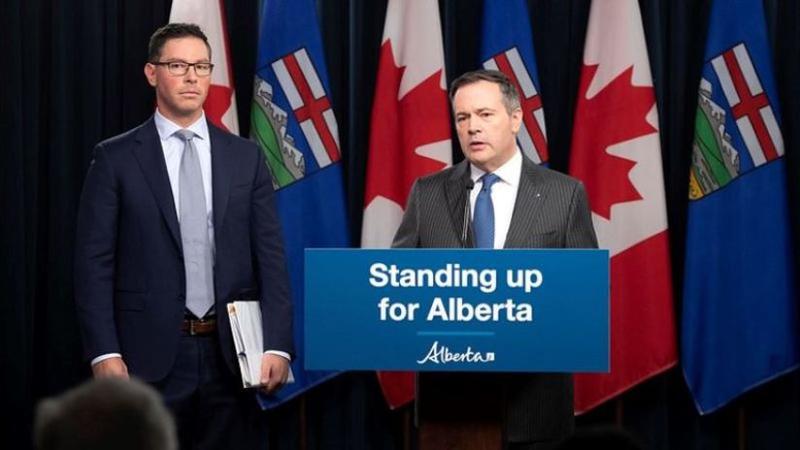
Justice Minister Doug Schweitzer and Premier Jason Kenney have announced plans to create the Alberta Parole Board (Photo: Government of Alberta)
Provincial Autonomy

Reaction positive to government’s proposed Alberta Parole Board

Jun 2, 2020 | 4:24 PM

The provincial government’s plan to establish the Alberta Parole Board in hopes of ending a widely viewed ‘catch and release’ or ‘revolving door’ justice system is being welcomed by both urban and rural supporters of crime reduction.

Paul Goranson, Director of Protective Services for the City of Red Deer, says although he’s short on details at this point, he feels the intent behind the initiative is sound.

“We have had concerns in the past about criminals that do get arrested by our police and then they get released for different reasons,” he admits. “So it has been quite frustrating at times for the RCMP in Red Deer in my dealings with them. So if this helps to alleviate some of that concern, and helps those arrested be held a little bit more accountable, then it’s probably going to be a good thing.”

Government officials say the legislation aims to ensure a faster and more-fair and responsive justice system that reflects the values of Albertans and meets the needs of communities, particularly in rural areas.

Ken Wigmore, president of Red Deer/Lacombe Rural Community Crime Watch, says he’s hopeful it’s a step in the right direction to addressing rising crime rates.

“Maybe they need to have some restorative justice,” suggests Wigmore. “If these guys do wrong to somebody, maybe when they have to go and fix it up or put it back or do some work out of their own pocket to make it right, maybe they will think twice about it. But I certainly commend them for doing something, at least trying something that’s within their power to do.”

Officials say the Alberta Parole Board would determine parole or early release eligibility for those serving sentences in provincial correctional facilities, which are sentences less than two years. It would also be responsible for imposing conditions on provincial offenders, and supervise provincial parolees.

Currently, Alberta contracts with the federal government to have the Parole Board of Canada make these determinations.

Goranson says the nature and severity of crimes need to be obvious and critical elements of the board’s decision making process.

“When the police do their job and the research that they need and they apprehend folks that have perpetrated serious crimes,” adds Goranson. “The expectation would be that they do stay incarcerated until they go through the proper court hearings to determine if they’re guilty or not.”

If passed, Bill 18, the Corrections (Alberta Parole Board) Amendment Act, would create a provincial parole board anticipated to better protect Albertans and their property from repeat offenders, including parolees. It would also allow the lieutenant-governor the power to appoint board members.

Once established, the Board would consist of members with specific knowledge of crime trends and resources in their area, with no cap on the number of board members, and the term of appointment not to exceed five years.

If passed, Bill 18 would come into effect after receiving royal assent. Once recruitment begins, it’s expected the board could be in place and operating as of January 1, 2021.

Ontario and Quebec have had their own parole boards since 1978.