Subscribe to the 100% free rdnewsNOW daily newsletter!
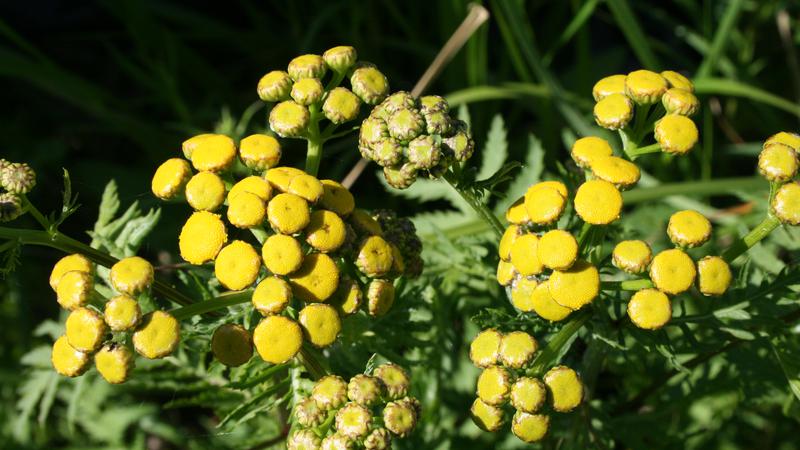
Common tansy. (Nature Conservancy of Canada)
take action

Learn to stop the spread during Invasive Species Awareness Week

May 14, 2020 | 5:32 PM

Albertans are encouraged to learn how they can contain certain species not healthy for the local biome during what is Canada’s second annual Invasive Species Awareness Week.

The week runs from runs May 16-23.

In Alberta, there are five invasive species which are particularly important to be wary of, including yellow flag iris, common tansy, purple loosestrife, leafy spurge, and common toadflax.

Residents can report sightings of these species by downloading the iNaturalist mobile app (also iNaturalist.ca).

“Globally, invasive species have been identified as the number two threat to nature, with habitat loss being the primary issue,” said Dan Kraus, senior conservation biologist with the Nature Conservancy of Canada.

“Invasive species not only threaten our Canadian plants and animals, but also impact our economy and well-being. For example, Japanese knotweed and European common reed can lower property values, and emerald ash borer is a major pest in our forests. Invasive species cost us billions of dollars each year and are altering the character and functions of many Canadian ecosystems.”

Additionally, the NCC notes that many invasive species spread quickly and don’t have many natural predators to keep them under control. This makes spring the ideal time to try and get a handle on them.

Adds Barry Gibbs, Executive Director of the Canadian Council on Invasive Species, “Like COVID-19, invasive species are spread by the everyday things we participate in.

“As we have seen, by making changes in our behaviour, we can have a major impact on the spread. Many invasive plants have been unintentionally introduced by gardeners. You can change that! Check to make sure you are not planting invasive plants. Remove the invasive species on your property. And report any invasive species you see away from your property. Each of us can take action and make a difference.”

A list of invasive plants and species that could be in your backyard and more information about them is at NatureConservancy.ca.