Subscribe to the 100% free rdnewsNOW daily newsletter!
Brandie Uebell, 42, has stage four triple negative breast cancer, but she isn't letting that diagnosis stop her from making the most of every day. (rdnewsNOW/Josh Hall)
living her best life

Hope, joy and miracles powering Red Deer woman’s battle with breast cancer

Jun 27, 2019 | 6:00 PM

Brandie Uebell is open about the fact that she could pass away any day, leaving behind a husband and three children.

A Red Deer resident, Uebell was diagnosed with stage four triple negative breast cancer in June 2018, and given a year to live. It had metastasized into her lymph system, liver, lungs, bones and brain, though treatment has partially cleared that up.

Today, the 42-year-old is on the fourth different type of chemo of the six available for her type of cancer, but she’s maintaining an attitude any other human being could only find inspirational.

Through her blog at BrandiesCancer.com, Uebell has made it her purpose to live each day to the fullest while sharing her motivation for brighter days with others.

“It started as a necessity because the night I found out I might not live through the night, I had to tell

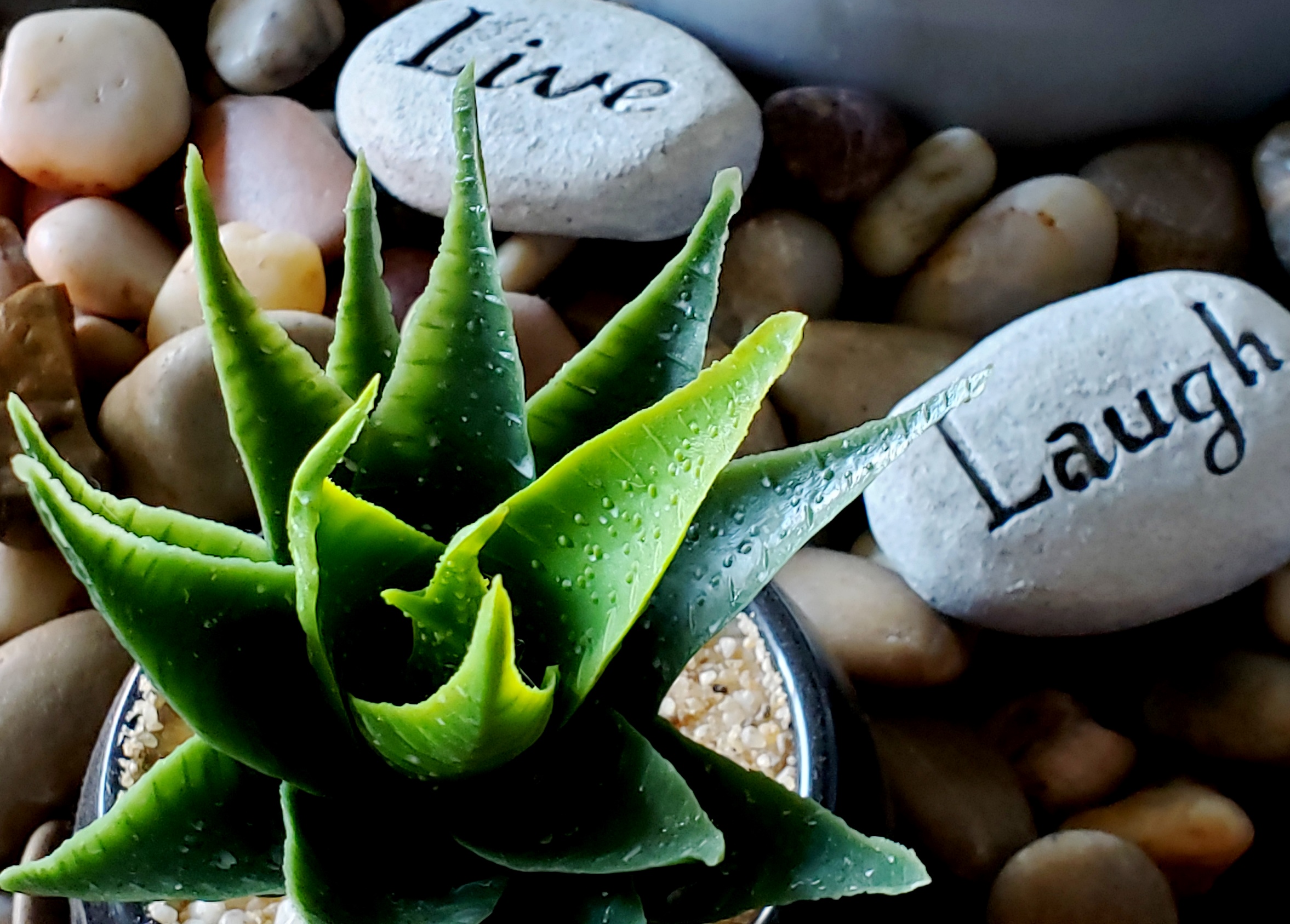
Words to live by in the Uebell household. (rdnewsNOW/Josh Hall)

every single person, and I didn’t know how to do that,” she recounts.

“You can’t be afraid of dying anymore because you could die any second, I started to question why I was doing anything I was doing. So all the fear went away and I was doing things for me.”

That moment made Uebell realize how little time others take to care or enjoy for themselves.

“I started to make that my truth and in the process of it, I was loving myself. As I’m writing my truth, I’m enjoying it and people started to come to me to say ‘I get it’ and so all of a sudden these people are having these moments of joy and I started having my own,” she says.

“All I wanted was for other people to be able to do that, to give love and see how wonderful they are. The main message coming out of it was that we have choices.”

Among the things Uebell and her husband Ken have taken time to do recently is see musician Robb Nash, a Canadian artist who miraculously survived a head-on crash and has made it his mission to help youth struggling with depression and thoughts of suicide.

“He went through the same kind of thing as me, where he had a choice, he could live his life and do something great with whatever time that he had, or he could just be bitter and angry,” she says.

“I wasn’t going to make it to the end of his concert because I was in pain, so I got up, walked to the stage, and I had one message for him: ‘I love you and what you’re doing is awesome.’ That would have never happened before and now my daughter believes anything is possible.”

Arguably the biggest source of stress for Uebell and her family now is the fact that there is a treatment which could prolong her life and improve her quality of life.

Immunotherapy is available under universal healthcare in Canada, but only for certain types of cancer. Health Canada trials are ongoing or pending for three immunotherapies to treat triple negative breast cancer.

Even after a trial wraps, however, there’s still an entirely different process to determine if that drug will be covered by federal, provincial or territorial drug plans.

Uebell says if she were an American citizen with insurance, immunotherapy would have been offered from the get-go.

Brandie Uebell, pictured here around five years ago. (Supplied)

Uebell could of course get that treatment privately in Canada or stateside, but both options would run the family $12,000 to $17,000 a month for a year-and-a-half, she says. For this reason, they’ve set up a GoFundMe account.

“Eventually I run out of chemo options. First I had to push because nobody thought I could get this type of cancer this young. There were a lot of tests they wouldn’t do because they have money caps,” says Uebell.

“Even getting in the door was hard. Anywhere else, they would’ve had me on the right treatment in the first place. Plus, when they put me on chemo, that made it impossible for me to even go on the trials in Canada.”

According to Statistics Canada, approximately 815 females will be diagnosed with stage four breast cancer each year, or about five per cent of all female breast cancer diagnoses.